

Safari experts & storytellers. Since 1991

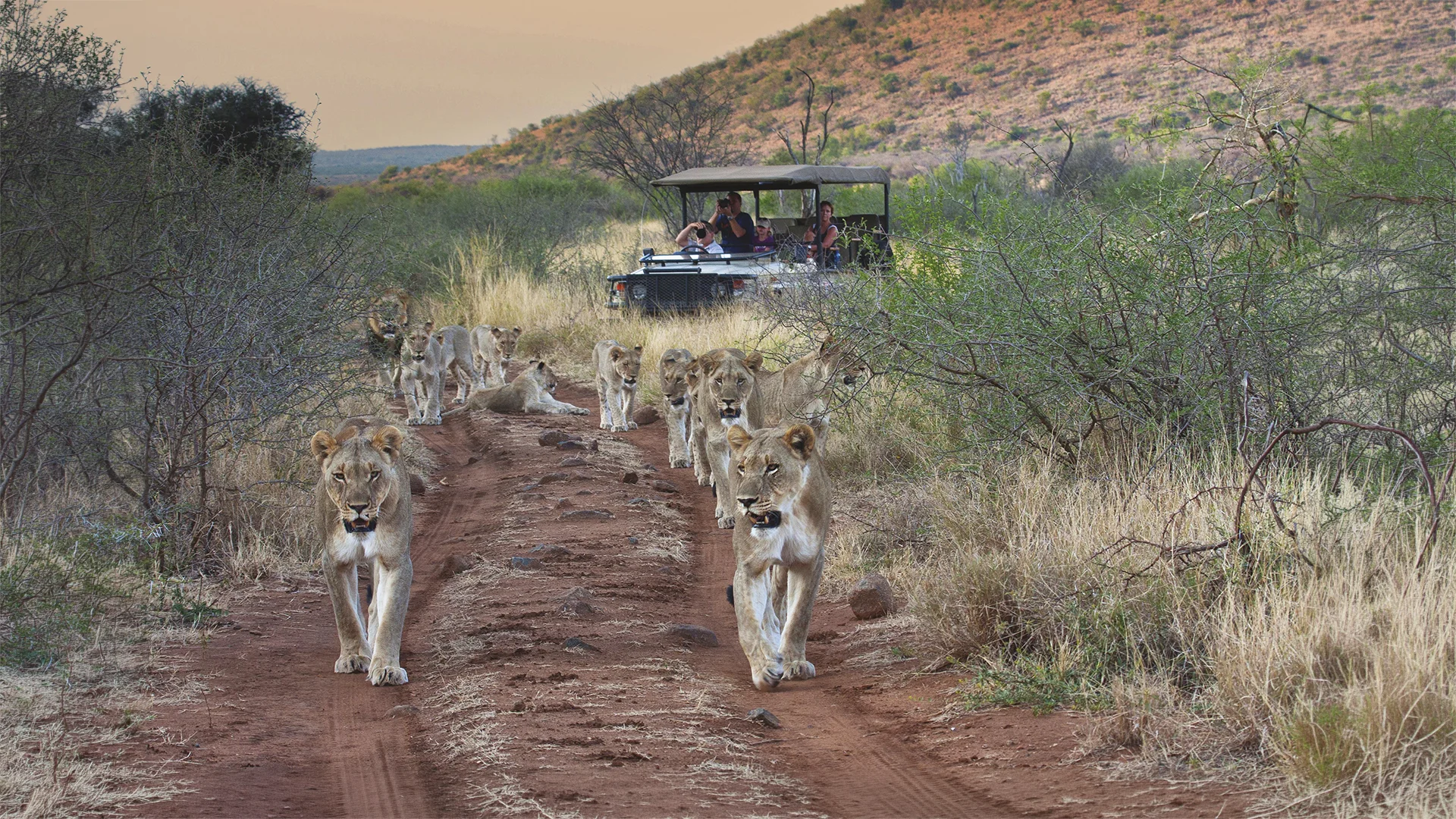
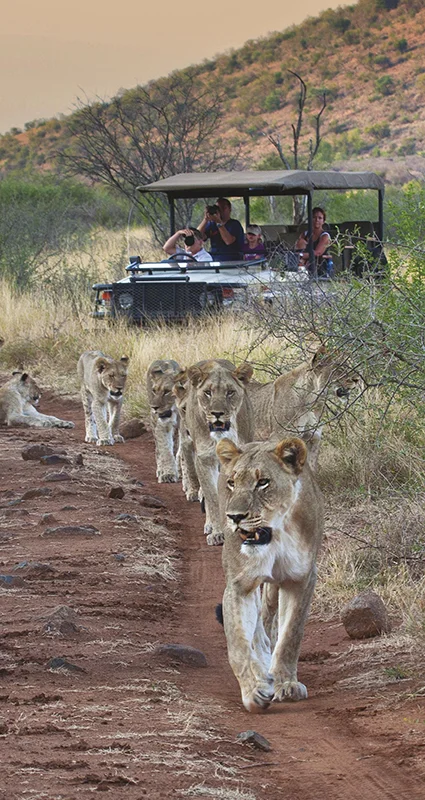
Trust us to find you the rarest animals, the most spectacular wildlife events, the remotest landscapes and deeply meaningful cultural encounters!
Do I need a malaria-free safari, or can I take precautions instead?
Malaria-free safaris in South Africa suit families with young children, pregnant travellers, and anyone who cannot, or would rather not, take anti-malarial medication. Healthy adults comfortable with tablets and insect repellent can safely visit malaria-risk destinations such as Kruger, the Sabi Sand, Botswana and Kenya, where the widest choice of safari destinations lies. The decision depends less on a destination's reputation and more on who is travelling and how they feel about standard precautions.
Every week, our specialists field a version of this question. There is no single right answer, only the right one for your group, and it starts with who is actually getting on the plane.
Malaria-free vs malaria-risk at a glance
The right choice depends on who is travelling and how comfortable they are with taking precautions, rather than on which destination merely sounds the safest.
Travelling with a baby or while pregnant: choose malaria-free
Managing a chronic condition or taking medication: ask your doctor
Comfortable with tablets and repellent: malaria-risk areas are possible
Set in Kruger, Botswana or East Africa: standard precautions apply
Want minimal extra planning on a first safari: malaria-free simplifies it
Malaria-free and malaria-risk safaris compared
Factor | Malaria-free safari | Malaria-risk safari |
Where | Madikwe, Marataba, Eastern Cape, Samara, Tswalu | Kruger, Sabi Sand, Botswana, Kenya, Tanzania |
Precautions | None required | Tablets, repellent, covered clothing |
Best suited to | Infants, pregnancy, medication sensitivity, first-timers | Healthy adults comfortable with standard precautions |
Big Five | Yes, at several reserves | Yes, at more reserves overall |
Destination range | South Africa only | Widest choice across the continent |
Three things we love about getting this right
Beyond the purely medical question, here is what genuinely matters once you have matched the right kind of safari to the right traveller in your party.
No wrong choice on the wildlife front: malaria-free and malaria-risk routes both deliver genuine Big Five safaris, with expert guiding throughout the stay.
Removing one variable from the plan removes real anxiety for first-time parents travelling with young infants, or for anyone planning around a pregnancy.
Standard precautions are simple, well-tested and used daily without incident by millions of confident, healthy travellers across malaria-risk regions.
Three traveller profiles we see every week
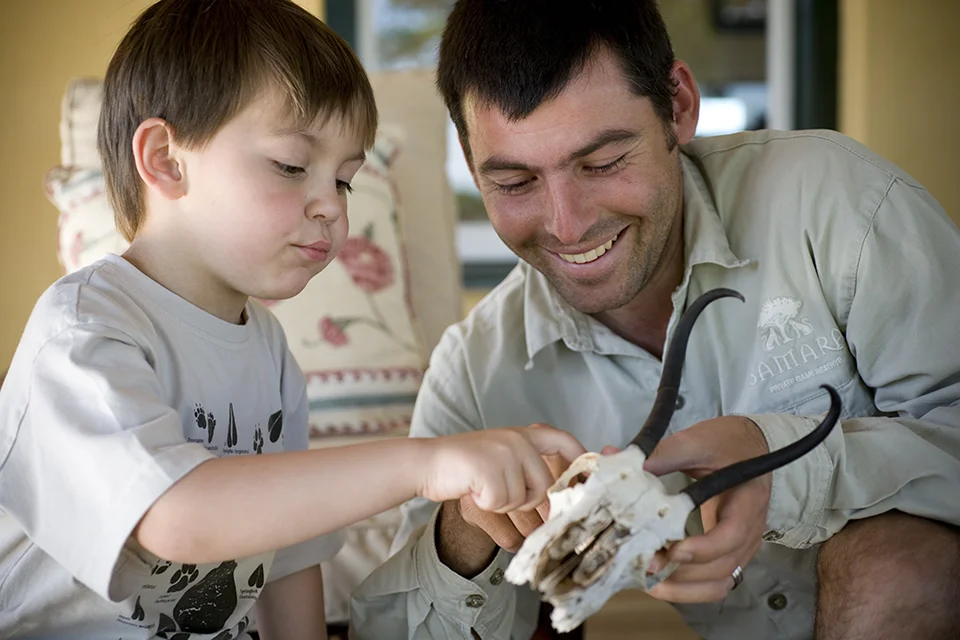
Young families and pregnancy
Infants and pregnant travellers should avoid anti-malarial drugs entirely, which makes South Africa's malaria-free reserves the safer, simpler choice for this group, with no medication to plan around at all.
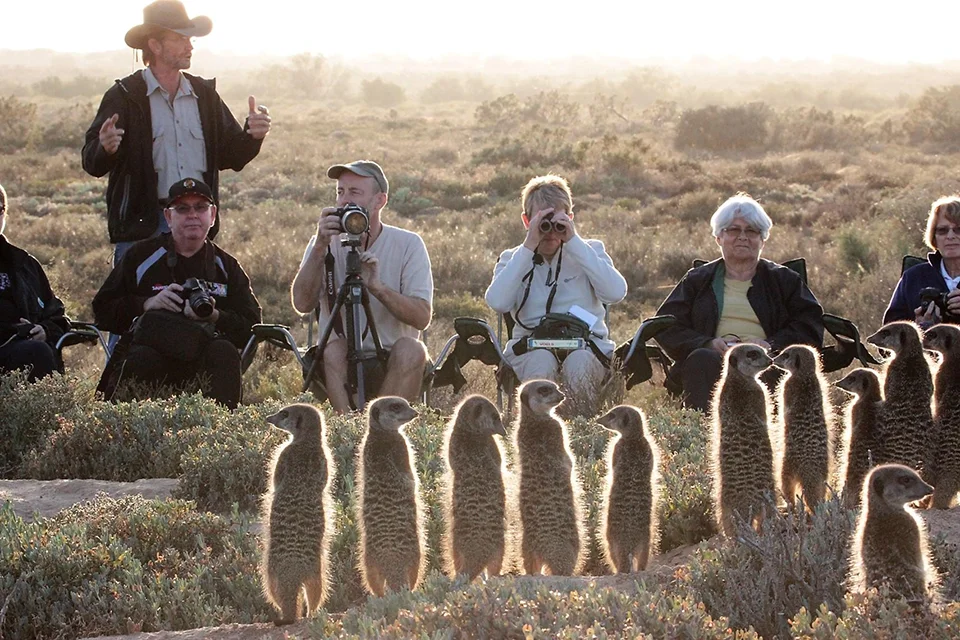
Grandparents and health conditions
Some antimalarials interact with existing medication or are unsuitable for older travellers with certain health conditions. A quick check with a GP, or a malaria-free itinerary, removes the guesswork entirely.
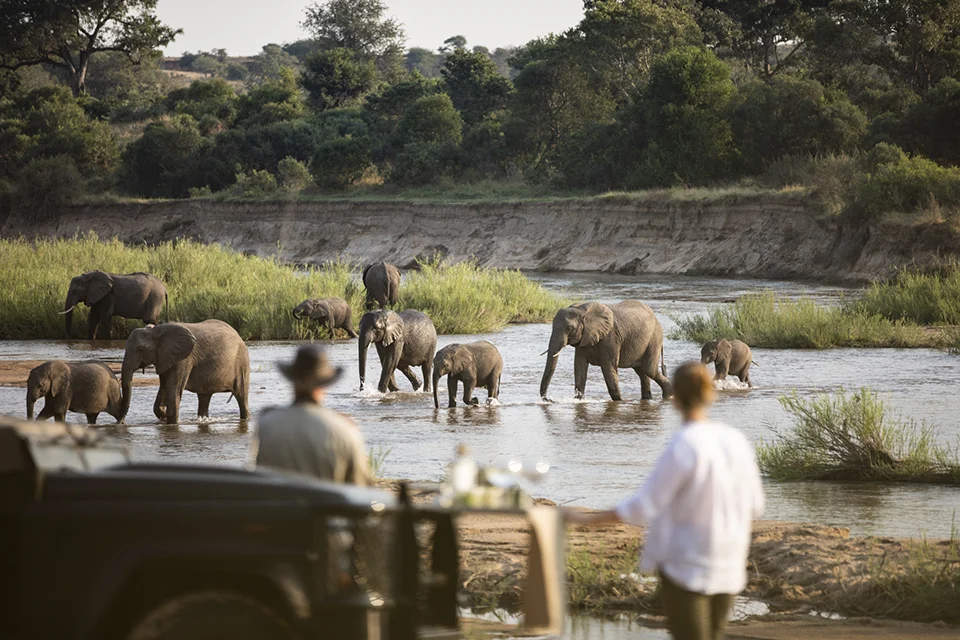
Confident, healthy adult travellers
Fit, healthy adults who tolerate standard antimalarials well can comfortably consider Kruger, the Sabi Sand, Botswana or Kenya, which unlocks a far wider spread of destinations and wildlife experiences.
Our favourite Malaria-free safaris
How our specialists match trip to traveller
Questions we ask before recommending a route
Before suggesting any itinerary, our safari experts ask who is travelling, their ages, whether pregnancy or any health conditions apply, current medication, and how each person genuinely feels about tablets and repellent. Those answers determine whether we point a family toward Madikwe or the Sabi Sand, and they shape every single recommendation that follows for your specific group and dates.
Building one trip for a mixed group
Multi-generational groups rarely share one straightforward answer. Grandparents managing a health condition, parents perfectly comfortable with tablets, and a toddler in the mix are common on a single booking, and the honest solution is often a malaria-free base such as Madikwe or the Eastern Cape, which welcomes every generation confidently rather than forcing one traveller's needs onto the whole party's itinerary.
Making the call with confidence, not guesswork
There is no single universally correct answer here, only the right answer for your particular group, your travel dates and your own comfort level with precautions. Our specialists have guided this exact conversation for families, couples and solo travellers since 1991, and are genuinely happy to talk you through every trade-off on a short call before you commit to any single destination or reserve.
“Our crew of passionate safari experts have lived and worked in Africa for most of their lives.” – Simon Espley, CEO, Africa Geographic
Frequently asked questions
Either can work well; the decision depends on who is travelling. Pregnant women, infants and anyone advised against anti-malarial medication should choose a malaria-free reserve such as Madikwe or the Eastern Cape. Healthy adults comfortable with tablets and repellent can safely consider malaria-risk destinations like Kruger, Botswana or Kenya, which offer a wider range of landscapes and wildlife experiences than malaria-free areas alone.
For most healthy adults, yes. Antimalarial tablets are taken by millions of travellers each year with few or no significant side effects, and a GP can recommend the option best suited to your health history. Anyone with certain medical conditions, on specific medications, or who is pregnant should discuss alternatives with a doctor, since a malaria-free itinerary may be the more appropriate and simpler choice.
Yes, with appropriate precautions and paediatric-dosed medication where advised by a doctor, and standard practice for older children who tolerate tablets well. However, many families with very young children prefer a malaria-free reserve such as Madikwe or Marataba, since infants should not take anti-malarial drugs at all. For families with older, healthy children, malaria-risk destinations remain a realistic and rewarding option worth considering.
Neither is objectively better; it depends on how much extra planning you are willing to take on before you travel. Malaria-free reserves remove medication from the checklist entirely, which appeals to many first-timers seeking simplicity. Others prefer to keep options like Kruger or the Sabi Sand open and manage standard precautions themselves. Our specialists can talk through both routes based on your comfort level, budget and travel dates.
Yes, in terms of the Big Five. Reserves such as Madikwe, Marataba, Kwandwe and Samara Karoo all offer lion, leopard, elephant, buffalo and rhino, alongside cheetah, wild dog and brown hyena. Malaria-risk regions such as the Serengeti or Okavango Delta add specific experiences, such as the Great Migration river crossings or mokoro travel through the delta's channels, that malaria-free reserves cannot fully replicate.
This is common on multi-generational trips. A group that includes a pregnant traveller, a grandparent on medication and confident younger adults will usually be matched to a malaria-free reserve, since it suits every generation without compromise or extra medical planning. Our specialists assess the full group profile carefully before recommending a single itinerary that works comfortably for everyone travelling together.
No. Kruger National Park and its neighbouring private reserves, including the Sabi Sand, lie within South Africa's malaria-risk zone in the north-east. Travellers visiting these areas should take standard precautions, including anti-malarial medication, repellent and covered clothing after dark. For a comparable Big Five experience without malaria risk, Madikwe or the Eastern Cape reserves are strong alternatives.
You do not need medical expertise, only clarity on who is travelling and their health circumstances. Start with a few simple questions: is anyone pregnant, an infant, or on medication that may interact with antimalarials? Would the group prefer zero extra medical planning? From there, our safari experts can confirm the right fit for your party and explain every trade-off clearly before you book anything.
Start planning your dream safari
Our travel experts will craft a no-obligation itinerary just for you. We have crafted over 5,000 safaris since 1991. Your personal details are protected; we only use this information to contact you.
Why book your safari with us?

Deep Experience & Knowledge
Handcrafted experiential safaris since 1991.
Travel in Africa is about knowing when and where to go, and with whom. A few weeks too early/late or a few kilometres off course, and you could miss the greatest show on Earth. And wouldn’t that be a pity?

Trust & Safety

Make A Difference
We donate a portion of the revenue from every safari sold to carefully selected conservation projects that make a significant difference at ground level.
YOUR safari choice does make a difference - thank you!