

Safari experts & storytellers. Since 1991

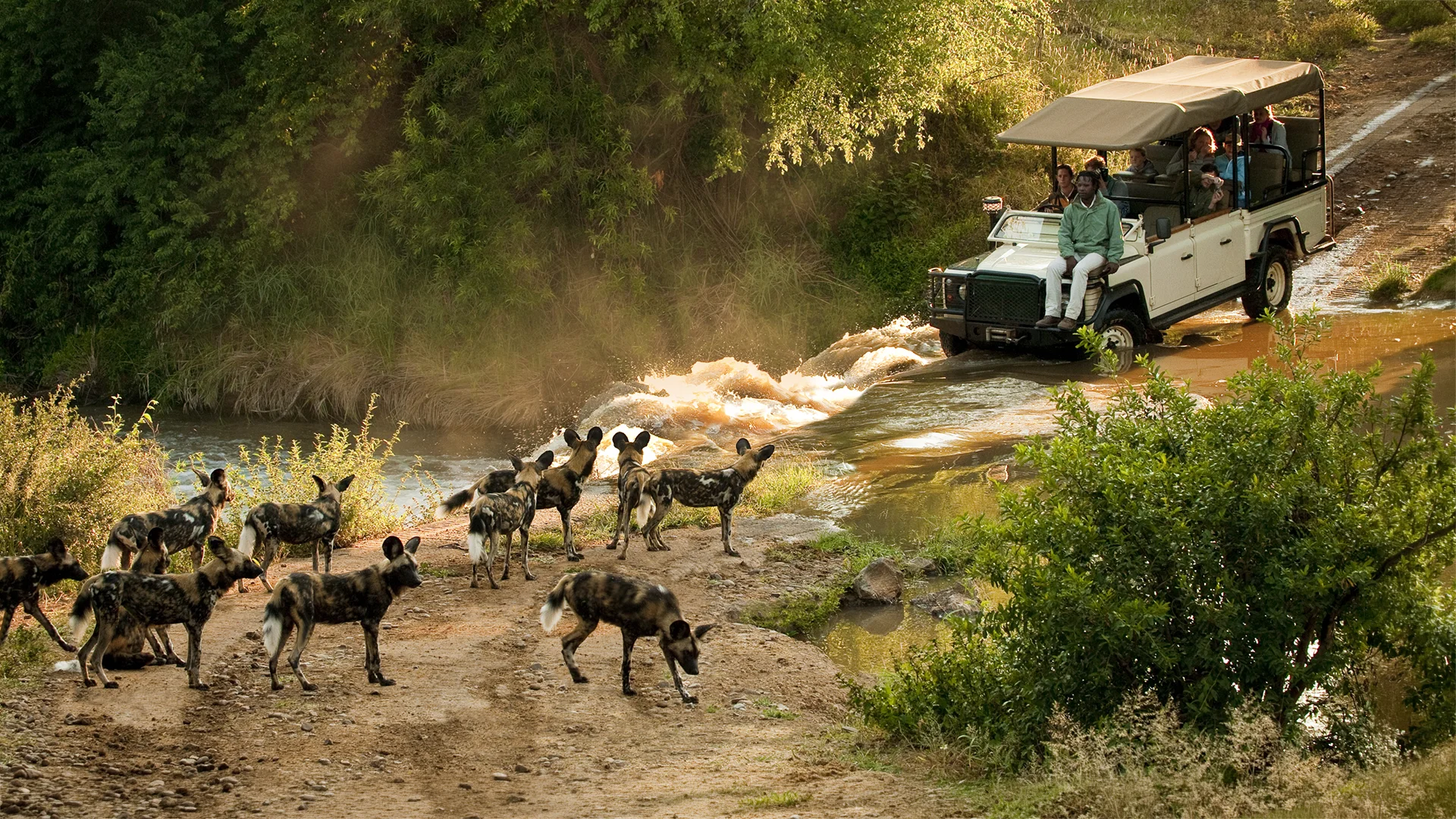

Trust us to find you the rarest animals, the most spectacular wildlife events, the remotest landscapes and deeply meaningful cultural encounters!
Choosing your malaria-free safari reserve
Three names come up whenever malaria-free safaris are discussed, and each pulls a traveller in a different direction, though all are in South Africa. Madikwe, hard against the Botswana border, still holds one of the country’s densest wild dog populations. Pilanesberg rises out of an extinct volcano within sight of Johannesburg’s suburbs. The Eastern Cape’s rewilded farmland runs down to a coastline you could be swimming off within a day. This comparison answers the question travellers actually put to us: which reserve is right for their trip, and why. Our safari experts have guided across all three, and this comparison sets out precisely where each one wins.
Madikwe, Pilanesberg and the Eastern Cape reserves (Kwandwe, Amakhala and Addo) are South Africa’s leading malaria-free Big Five safari regions. Madikwe suits travellers wanting an exclusive, lodge-only safari within a few hours of Johannesburg. Pilanesberg suits budget-conscious and self-drive travellers on a short trip near Johannesburg or Sun City. The Eastern Cape suits travellers combining safari with Cape Town and the Garden Route.
Comparing the three reserves at a glance
Madikwe: exclusive lodges, wild dog and cheetah, no self-drive
Pilanesberg: self-drive, budget stays, closest to Johannesburg
Eastern Cape: pairs with Cape Town, Big Seven marine bonus
All three are fenced, malaria-free and hold the full Big Five
Each region delivers malaria-free Big Five wildlife viewing, but differs sharply on access, price and pace. Use the summary above, then the table below, to narrow your choice before booking.
Madikwe, Pilanesberg and Eastern Cape compared
Feature | Madikwe | Pilanesberg | Eastern Cape |
Distance from Johannesburg | ~300km, or a 1-hour flight | ~200km, a 2.5-hour drive | Fly via Cape Town/Gqeberha |
Reserve size | 75,000 hectares | 55,000 hectares | 8,500–180,000 hectares |
Access | Lodge-only, guided drives | Self-drive permitted | Mostly lodge-only, Addo self-drive |
Price positioning | Premium | Budget to mid-range | Mid-range to ultra-luxury |
Best paired with | A Johannesburg stopover | Sun City, short trips | Cape Town, Garden Route |
3 things we love about these reserves
Beyond the wildlife lists most guides repeat, here is what separates these three malaria-free regions and makes the choice worth thinking through properly:
No malaria risk anywhere: all three regions sit outside South Africa’s malaria zone, so infants, pregnant travellers and malaria-medication-averse guests can travel freely.
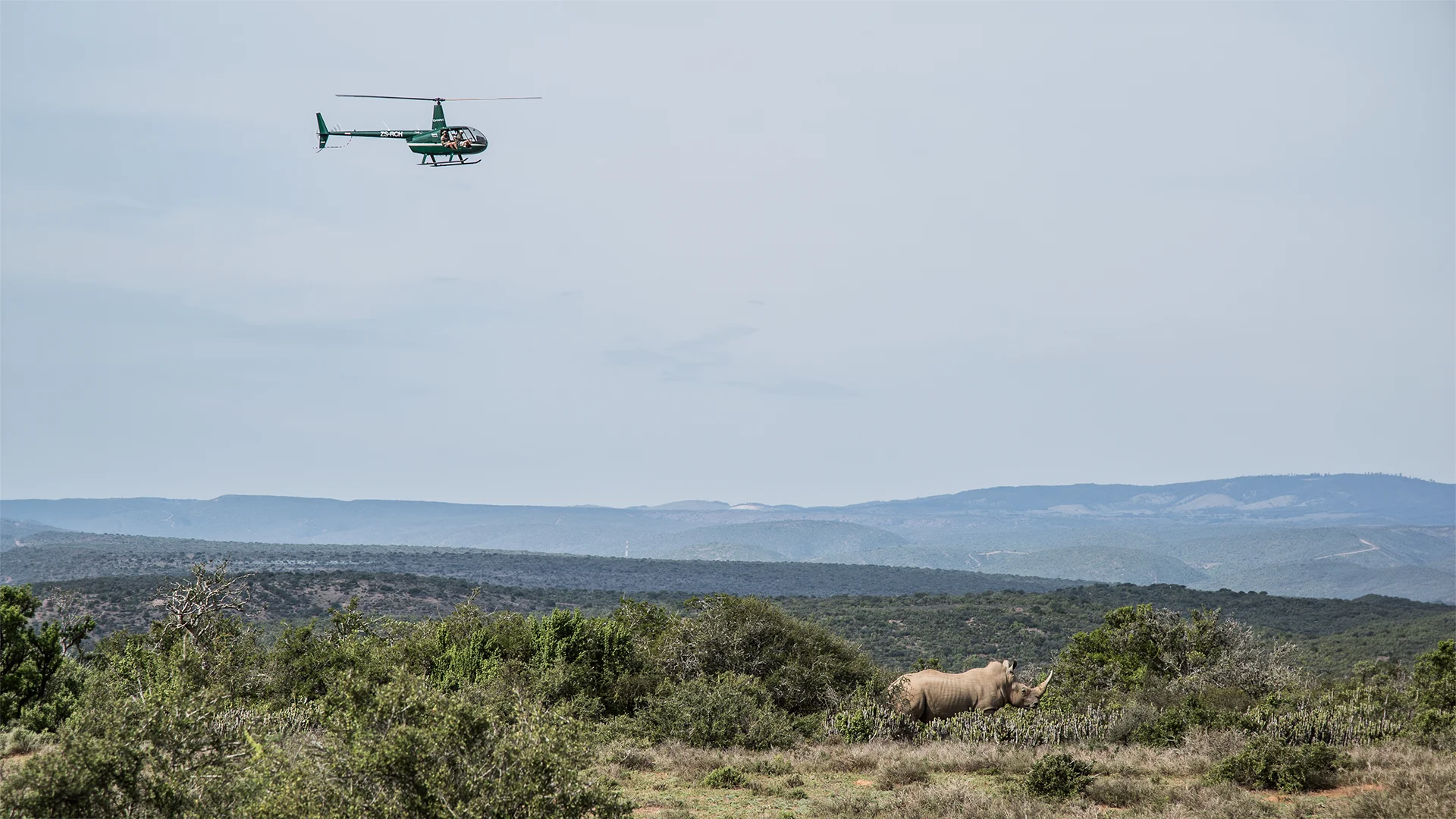
Genuine rhino conservation stories: Madikwe, Pilanesberg and Kwandwe all run active dehorning, monitoring or hands-on rhino protection programmes guests can witness.
Effortless pairing with the rest of South Africa: each region links neatly to Cape Town, the Garden Route or a short Johannesburg stopover before or after the safari.
Meet the three contenders
Madikwe Game Reserve
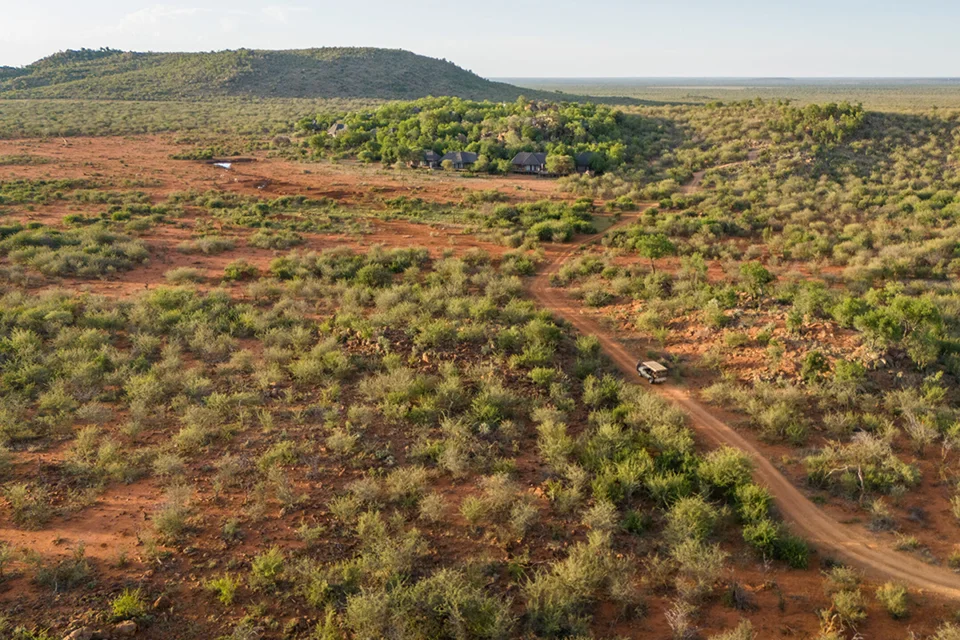
Madikwe sits on the Botswana border in North West Province, a 75,000-hectare community-owned reserve reachable from Johannesburg by a one-hour Federal Air flight or a four-hour drive. Lodge-only access keeps sightings private, and wild dog, cheetah and brown hyena appear alongside the Big Five.
Pilanesberg National Park
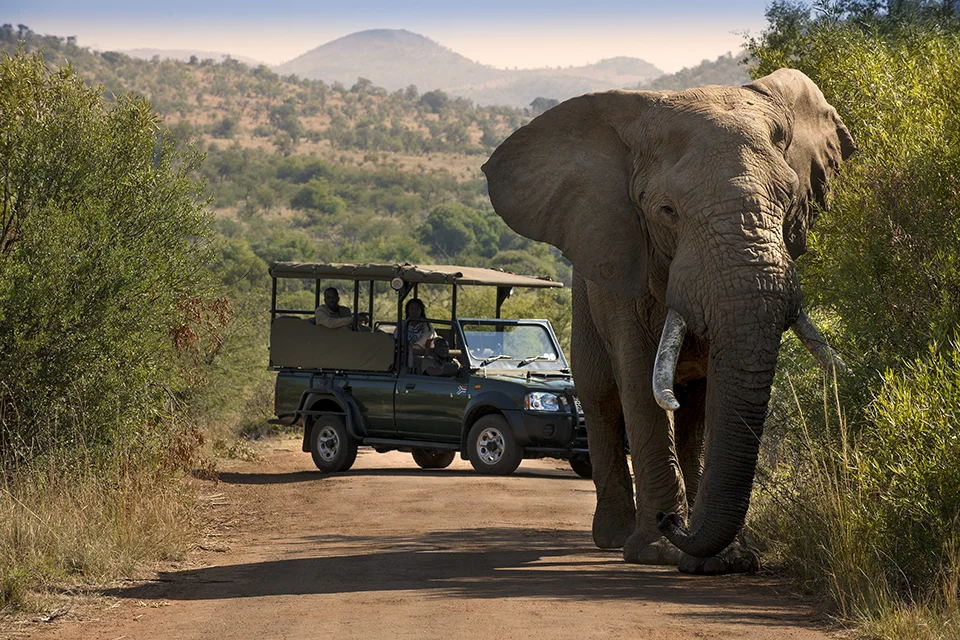
Pilanesberg occupies an ancient volcanic crater roughly two and a half hours from Johannesburg, next door to Sun City. Self-drive and public rest camps sit alongside five-star lodges, making it the most flexible and affordable of the three regions for a short Big Five safari.
The Eastern Cape reserves
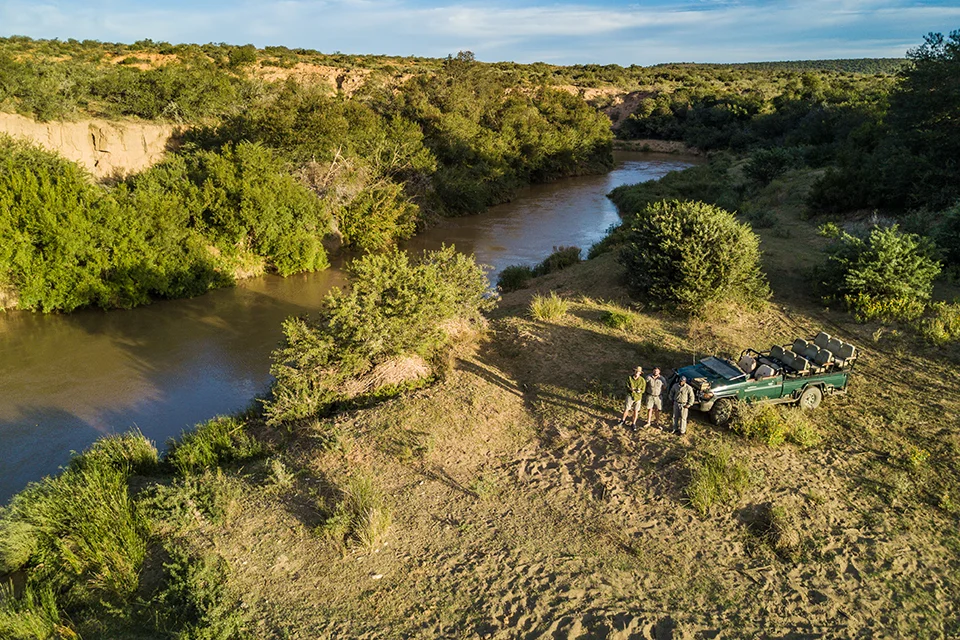
Kwandwe, Amakhala and Addo Elephant National Park lie within an hour or two of Gqeberha, pairing naturally with Cape Town and the Garden Route. Between them they span ultra-luxury, family-friendly and self-drive budget options, plus Addo’s rare marine ‘Big Seven’.
Our favourite Malaria-free safaris
Distance, access and travel time
Reaching Madikwe from Johannesburg
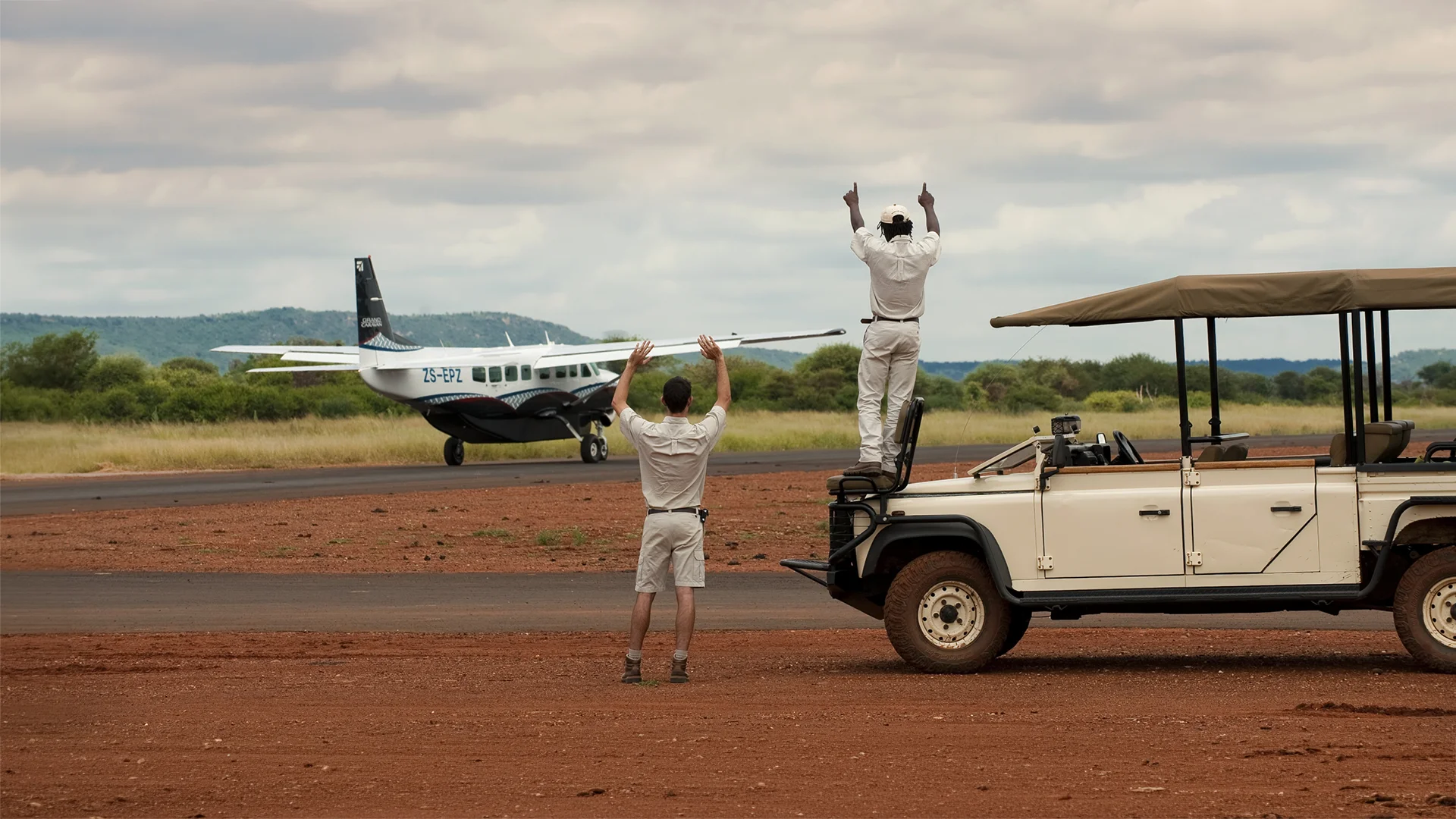
Madikwe lies roughly 280–300km from OR Tambo International Airport. Most guests fly a scheduled Federal Air shuttle of about an hour direct into the reserve’s airstrips, landing minutes from their lodge. Self-driving takes three-and-a-half to four-and-a-half hours via the N4 and R49 through Zeerust, though day visitors and self-drive wildlife viewing are not permitted once inside the reserve.
Reaching Pilanesberg from Johannesburg
Pilanesberg sits around 190–210km from OR Tambo, a two-and-a-half to three-hour drive, and there is no scheduled flight option. Self-drive is permitted throughout the park, and many travellers combine a stay with Sun City next door. This makes Pilanesberg the more practical choice for a short break, a stopover, or a self-planned itinerary without a private transfer.
Reaching the Eastern Cape reserves
Kwandwe: about 160km, roughly two hours’ drive from Gqeberha, or a 30-minute charter flight
Amakhala: around 70km, an hour’s drive from Gqeberha, the most accessible option
Addo Elephant National Park: approximately 70km, a 30 to 40 minute drive from Gqeberha city
Cape Town travellers connect via a 1hr 20min domestic flight to Gqeberha first
None of the Eastern Cape reserves offer a direct scheduled flight from Johannesburg itself
All three Eastern Cape options pair naturally with a Cape Town or Garden Route stay
Wildlife, rhino and Big Five reliability
Madikwe’s wild dog and cheetah edge
Madikwe holds the Big Five plus cheetah, wild dog and brown hyena, sometimes marketed locally as the ‘Super Seven’. It has one of South Africa’s densest wild dog populations, descended from a founding pack introduced in 1994, and both black and white rhino roam freely within the fenced reserve. A reserve-wide conservation contribution funds anti-poaching patrols and habitat management.
Pilanesberg’s rhino stronghold
Pilanesberg has long carried one of Africa’s densest rhino concentrations relative to its size, with white rhino visible across open areas and black rhino concentrated in a dedicated Black Rhino Reserve section. North West Parks has actively dehorned rhino here since 2020 to reduce poaching risk, a programme that continued into 2026 alongside intensified anti-poaching prosecutions.
Eastern Cape’s Big Seven bonus
Kwandwe holds both black and white rhino, with hands-on conservation safaris including monitoring and ear-notching. Amakhala offers reliable Big Five sightings alongside giraffe, zebra and cheetah, while Addo protects more than 600 free-roaming elephants, its clear signature species, and reintroduced two lion prides into its main wildlife-viewing area during 2025. Addo's marine protected area adds whale and great white shark sightings offshore. All three reserves are fenced, unlike the unfenced Greater Kruger.
Wish you were here?
Which reserve suits your trip
Choose Madikwe for an exclusive family or honeymoon safari
Madikwe suits families with young children, honeymooners and first-time safari-goers who want an exclusive, malaria-free Big Five experience within striking distance of Johannesburg. The lodge-only model, absence of day visitors, and standout wild dog and cheetah sightings make it worth the extra cost and longer transfer. Plan on two to four nights to make the most of it.
Choose Pilanesberg for a short, self-planned safari
Pilanesberg suits day-trippers, self-drivers and budget-conscious travellers, particularly those on a Johannesburg layover or a Sun City break. Its closer proximity, self-drive access and wide accommodation range make it the practical, lower-commitment choice when time or budget is limited, or when a single night is all a trip allows.
Choose the Eastern Cape for a Cape Town combination
The Eastern Cape suits travellers building a Cape Town, Winelands or Garden Route itinerary and wanting to add a malaria-free Big Five safari without a long domestic detour. Choose Kwandwe for ultra-luxury and rhino conservation experiences, Amakhala for family-friendly mid-range value, or Addo for a self-drive budget option with its rare marine ‘Big Seven’ bonus.
"Travel in Africa is about knowing what, when and where to go – a few weeks too early/late or a few kilometres off course, and you could miss the Greatest Show on Earth. And wouldn’t that be a pity? Our crew of passionate safari experts have lived and worked in Africa for most of their lives. Trust us to find you the rarest animals, the most spectacular wildlife events, the remotest landscapes and deeply meaningful cultural encounters!” says Simon Espley, CEO, Africa Geographic
Still deciding which reserve fits your trip? Our safari experts can talk you through Madikwe, Pilanesberg and the Eastern Cape in detail and build a no-obligation itinerary around your gateway city, budget and travel dates.
Frequently asked questions
Both work well for a first safari. Choose Pilanesberg for a tight budget or timeline, since it permits self-drive and sits closer to Johannesburg with accommodation from campsites to five-star lodges. Choose Madikwe if two to four nights and a slightly higher budget are available, since its lodge-only model gives a more private introduction to Big Five wildlife viewing, plus reliable wild dog and cheetah sightings.
Pilanesberg is closer, at around 190–210km and a two-and-a-half to three-hour drive from OR Tambo International Airport. Madikwe lies roughly 280–300km away, a three-and-a-half to four-and-a-half-hour drive, though most guests instead take a scheduled Federal Air flight of about one hour directly into the reserve. Pilanesberg suits a short trip or day visit, while Madikwe rewards the extra travel time with a quieter, lodge-only experience.
All three regions offer reliable rhino sightings, using different conservation approaches. Pilanesberg has historically held one of Africa’s densest rhino concentrations and actively dehorns animals to reduce poaching risk. Madikwe holds both black and white rhino within a fenced, lodge-only reserve funded partly by a conservation contribution. Kwandwe in the Eastern Cape offers hands-on rhino conservation safaris, including monitoring and ear-notching.
Self-drive rules differ by reserve. Pilanesberg permits self-drive throughout the park, and Addo Elephant National Park allows self-drive within its main wildlife-viewing area. Madikwe does not permit self-drive or day visitors under any circumstances, and access is restricted to guided lodge vehicles. Kwandwe and Amakhala in the Eastern Cape are also lodge-only, guided-drive reserves, so a self-drive itinerary across all three regions is only possible at Pilanesberg and Addo.
Yes, this is the Eastern Cape’s clearest advantage over Madikwe and Pilanesberg. Kwandwe, Amakhala and Addo all sit within an hour or two of Gqeberha, which connects to Cape Town on a roughly 1 hour 20 minute domestic flight. This makes it straightforward to combine a Big Five safari with Cape Town, the Winelands or the Garden Route on one trip, without the longer cross-country transfer a Johannesburg-based safari would require.
Madikwe and Amakhala are generally the strongest choices for families with young children. Madikwe’s lodges are used to hosting families and offer an exclusive, malaria-free environment with private game drives available. Amakhala in the Eastern Cape has several owner-managed, family-friendly lodges at more accessible prices. Pilanesberg also works well for families wanting a shorter, self-drive trip, since public rest camps and self-catering chalets suit a flexible family schedule.
Costs vary widely by lodge and season. Madikwe’s lodge-only rates typically run from around US$250 per person per night at mid-range properties to US$800 or more at the most exclusive lodges, plus a nightly conservation contribution. Pilanesberg spans a far wider range, from public rest camps and self-catering chalets from around US$25 a night to five-star lodges above US$300 per person, reflecting its dual identity as national park and private lodge destination.
No. All three regions, Madikwe and Pilanesberg in North West Province and the Eastern Cape reserves including Kwandwe, Amakhala and Addo, fall outside South Africa’s malaria transmission zone, confined to the north-eastern border areas. No anti-malarial prophylaxis is generally required, making these destinations a preferred choice for pregnant travellers, young children and anyone avoiding anti-malarial drugs. Confirm current guidance with a travel health professional before departure.
Combining Madikwe or Pilanesberg with an Eastern Cape reserve is possible but involves a domestic flight, since the regions sit at opposite ends of the country. A more common and efficient strategy is combining two Eastern Cape reserves, such as Kwandwe and Amakhala, or pairing a single reserve with a beach or Cape Town extension. Our safari experts can help sequence a multi-reserve itinerary around your international gateway city to minimise domestic flying time.
Start planning your dream safari
Our travel experts will craft a no-obligation itinerary just for you. We have crafted over 5,000 safaris since 1991. Your personal details are protected; we only use this information to contact you.
Why book your safari with us?

Deep Experience & Knowledge
Handcrafted experiential safaris since 1991.
Travel in Africa is about knowing when and where to go, and with whom. A few weeks too early/late or a few kilometres off course, and you could miss the greatest show on Earth. And wouldn’t that be a pity?

Trust & Safety

Make A Difference
We donate a portion of the revenue from every safari sold to carefully selected conservation projects that make a significant difference at ground level.
YOUR safari choice does make a difference - thank you!