

Safari experts & storytellers. Since 1991



Trust us to find you the rarest animals, the most spectacular wildlife events, the remotest landscapes and deeply meaningful cultural encounters!
Active or relaxed? Bush and beach activities
A bush and beach safari in Africa isn't a single experience – it's two complementary ones. On the bush side, you'll find structured wildlife activities: morning and evening game drives, guided walking safaris, boat-based game viewing, and night drives. On the beach side, the options shift to water-based and coastal pursuits: snorkelling, scuba diving, kayaking, dhow sailing, and long stretches of time on largely empty beaches. What makes this combination work is the contrast – the intensity and focus of a wildlife destination balanced against the open-ended pace of the ocean. Africa Geographic's safari experts put together bush and beach itineraries across East Africa, Southern Africa, and the Indian Ocean islands, pairing game-rich wilderness areas with beaches, reefs, and archipelagos that are among the least crowded on earth.
Bush and beach activities at a glance
Activity | Setting | Intensity | Best destinations |
Game drive | Bush | Low | Maasai Mara, Serengeti, Kruger, Chobe |
Walking safari | Bush | Moderate | South Luangwa, Okavango, Ruaha |
Boat game viewing | Bush | Low | Okavango Delta, Chobe River, Mahale |
Gorilla/chimp trekking | Forest | Moderate–High | Uganda, Rwanda, Mahale |
Night drive | Bush | Low | Kruger private reserves |
Snorkelling | Beach/Island | Low–Moderate | Seychelles, Bazaruto, Mafia, Diani |
Scuba diving | Beach/Island | Moderate | Bazaruto, Seychelles, Zanzibar |
Kayaking / water sports | Beach/Island | Moderate–High | Alphonse, Diani, Lake Malawi |
Whitewater rafting | Adventure | High | Victoria Falls (Zambezi River), Nile River in Uganda at Jinja |
Sunset cruise/sundowner | Bush or Beach | Low | Chobe, Okavango, Zanzibar |
Dhow sailing | Beach/Island | Low | Zanzibar, Bazaruto, Lamu |
Beach and spa | Beach/Island | Low | Diani, Bazaruto, Seychelles |
Bush and beach safaris we love
A well-planned bush and beach safari moves between two different rhythms – the intensity of early morning game drives and the open pace of coastal days. These safaris each pair a wilderness area with a contrasting Indian Ocean destination:
Mozambique bush and beach combo (Gorongosa and Benguerra Island): Visit the wilderness of Gorongosa National Park – game drives, walking safaris, and walking with a pangolin – and Benguerra Island in the Bazaruto Archipelago, with private villas, dhow cruises, and coral reefs. View safari →
Ruaha and Mafia Island beach and bush: Begin in Ruaha National Park, one of Tanzania’s most rewarding wilderness areas, tracking lions, leopards, wild dogs, and vast elephant herds. Then fly to Mafia Island for treehouse living, snorkelling on pristine coral reefs, kayaking through mangroves, and whale shark encounters. View safari →
Okavango Delta and Vilanculos bush and beach: Visit Okavango Delta with expert local Bushman guides – game drives, mokoro excursions, and sunset boat cruises tracking lion, leopard, wild dog, and elephant – followed by Vilanculos on the Mozambique coast, with dhow sails, sandbank excursions, snorkelling and seafood dinners. View safari →
Bush activities
Game drives
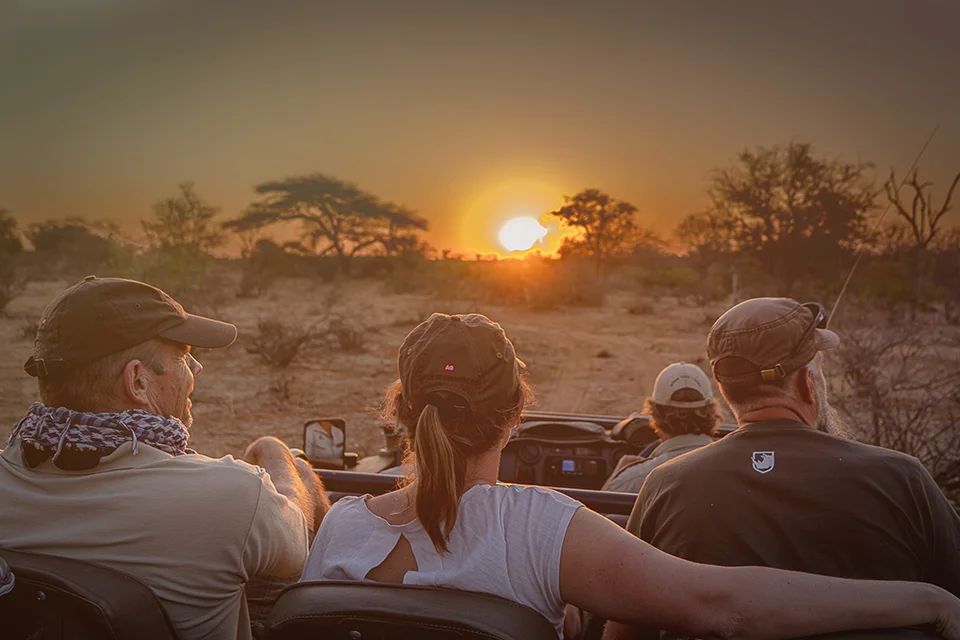
The anchor activity on any bush safari, a game drive takes place in an open 4x4 vehicle with a professional guide. Morning drives run from first light for around three hours, covering the period when predators are most active. Evening drives extend into the dark, allowing spotlight viewing of nocturnal species such as leopard, aardvark, and civets. The Maasai Mara, Serengeti, Kruger, Okavango Delta, and Chobe National Park are among Africa's premier game drive destinations. Physical demand: low – you remain seated throughout.
Walking safaris
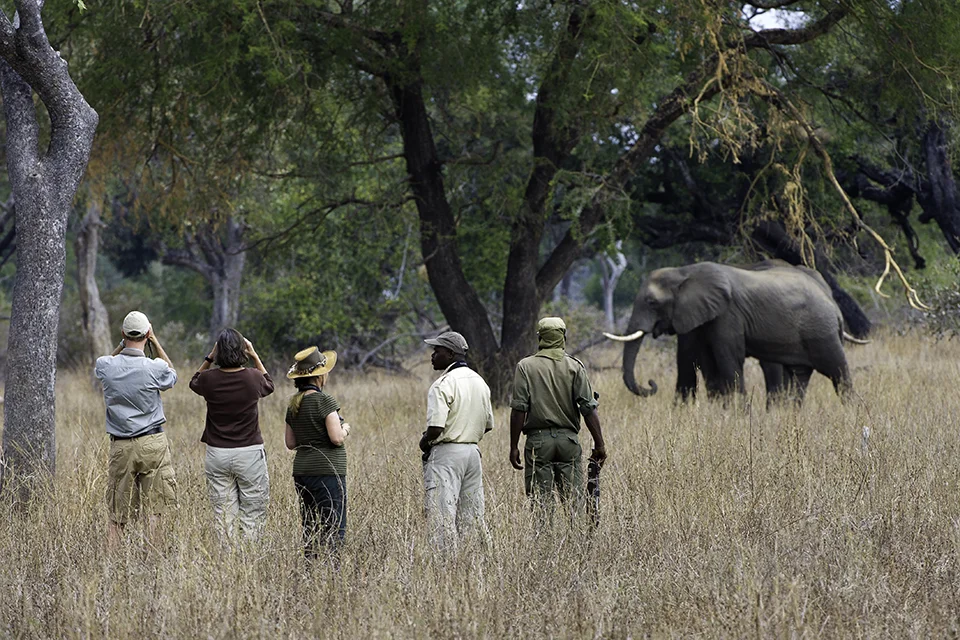
A guided walk through the bush changes the experience entirely – the focus shifts from large animals to tracks, insects, trees, birds, and the smaller details that a vehicle obscures. Walking safaris are typically two to three hours and led by an armed guide and tracker. South Luangwa in Zambia is the birthplace of the walking safari; the Okavango Delta, Mana Pools, Kruger's private reserves, and Ruaha in Tanzania are also well regarded. Some camps offer multi-day trails with fly camping. Physical demand: moderate – expect 5–12km on uneven ground in heat.
Boat-based wildlife viewing
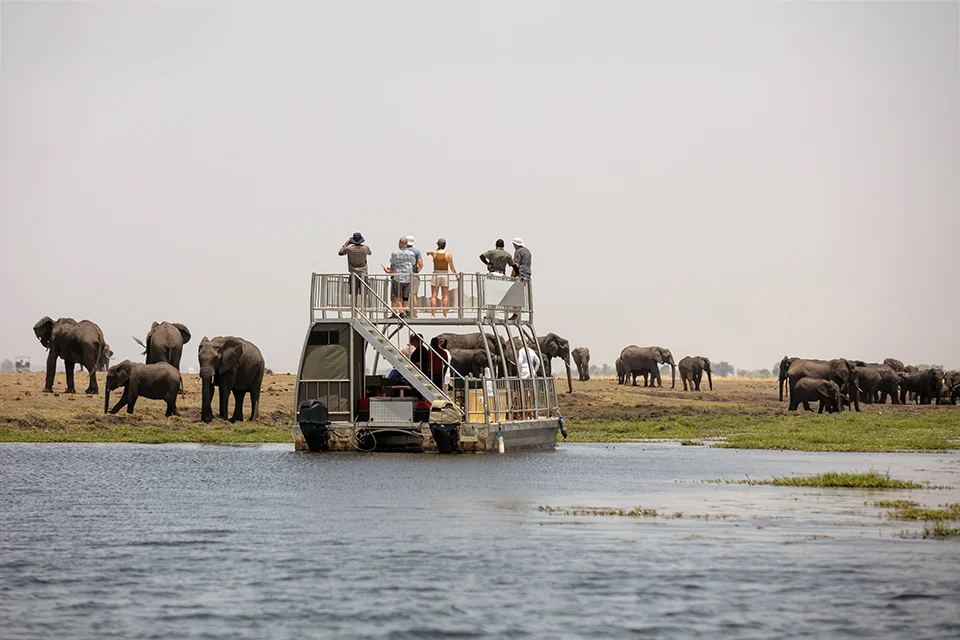
The Okavango Delta and Chobe River offer some of Africa's most distinctive wildlife encounters from the water. In the Okavango, traditional mokoro (dugout canoe) poling puts you at water level among hippos, crocodiles, and waterbirds. On the Chobe, motorised boats follow elephant herds as they swim across the river in numbers that can exceed a hundred animals at once. This activity is also available at Lake Ihema (Akagera) and Shire River (Liwonde).
Gorilla and chimpanzee trekking
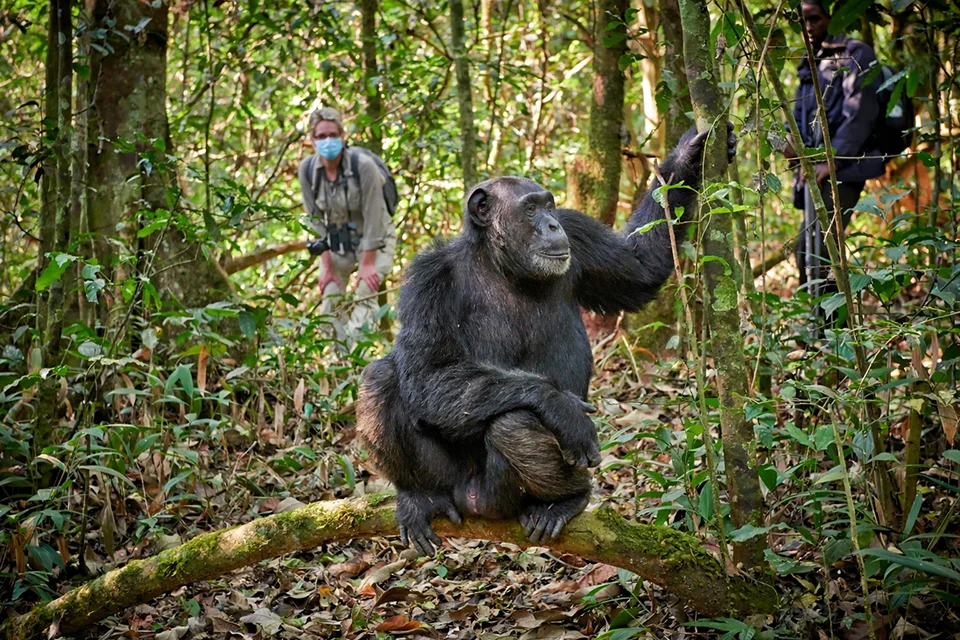
Gorilla trekking is a permitted activity involving groups of visitors tracking habituated gorilla families through dense forest. Gorilla trekking can be done in Volcanoes NP in Rwanda, Virunga NP in DRC and Mgahinga Gorilla NP and Bwindi in Uganda, and in Odzala Kokoua NP in Congo-Brazzaville. Treks vary from one to eight hours depending on where the gorillas have ranged. Chimpanzee trekking is available in Uganda's Kibale Forest, Rwanda's Nyungwe NP and at Mahale Mountains in Tanzania, where chimpanzees can be followed along forested mountain slopes above Lake Tanganyika. Physical demand: moderate to high – forest terrain, altitude, and variable duration.
Night drives
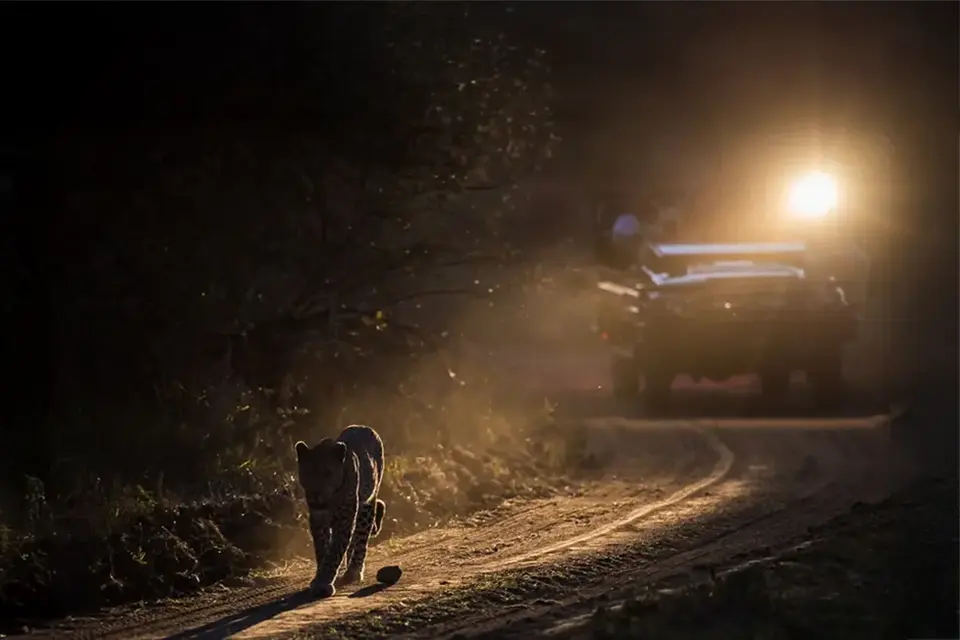
Night drives use spotlights to locate nocturnal species less commonly seen during daylight hours. National parks and government game reserves do not permit night drives, whereas private reserves and concessions do – this applies across the Serengeti, Maasai Mara, and Chobe, where the activity is standard at private concession camps but prohibited inside the parks themselves. In South Africa, night drives run across Greater Kruger's private reserves (Timbavati, Sabi Sand, Thornybush) and in KwaZulu-Natal. South Luangwa in Zambia and Hwange in Zimbabwe are also well-regarded night drive destinations. Physical demand: low to moderate.
Speciality activities
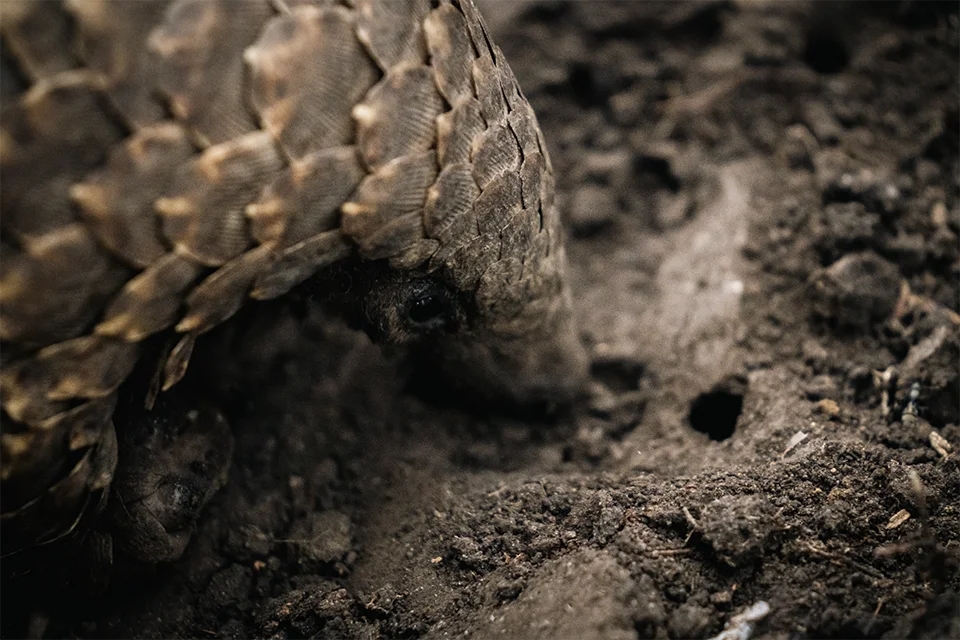
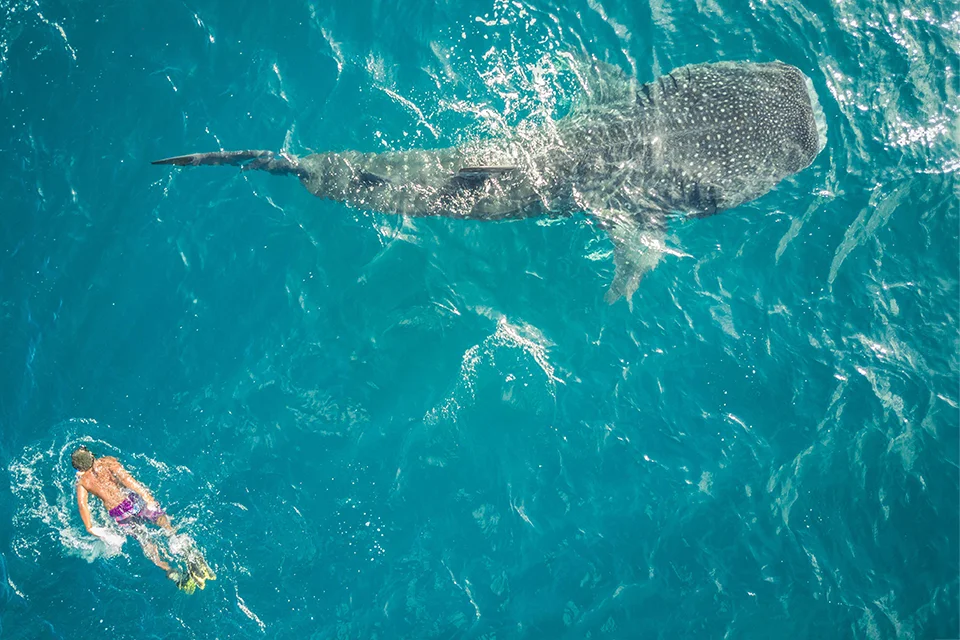
Specialist activities such as pangolin tracking (Gorongosa, Mozambique), bioluminescence walking on Benguerra Island, and whale shark snorkelling off Mafia Island (October to February) sit in their own category: wildlife encounters that require specific destinations and seasons. Physical demand: Moderate.
Bush sundowners and sunset cruises
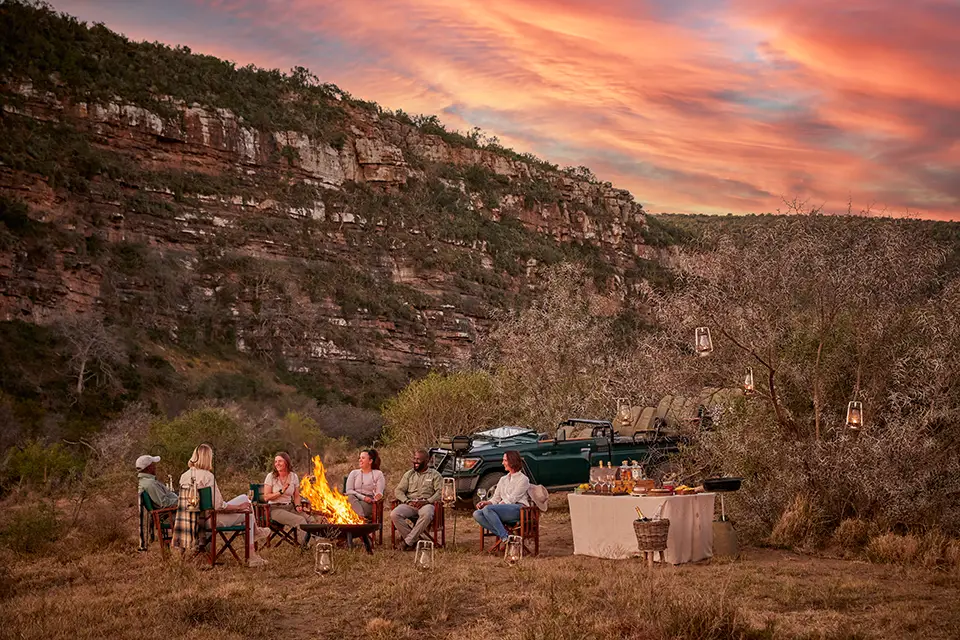
The sundowner – drinks at sunset in the bush or on the water – is a fixture of the African safari experience. On the Chobe River, sunset boat cruises run alongside elephant herds drinking on the banks. In the Okavango Delta, mokoro trips at dusk offer extraordinary light and stillness. At Victoria Falls, the Zambezi provides a wide, island-dotted river for slow boat sundowners. The evening ritual is one of the most transferred experiences from bush to beach: Stefan Winterboer, Africa Geographic's Botswana specialist, describes the Okavango by its smell – "wet, healthy, colourful, alive and slightly spicy" – as something found nowhere else on earth.
Guided cultural and village visits
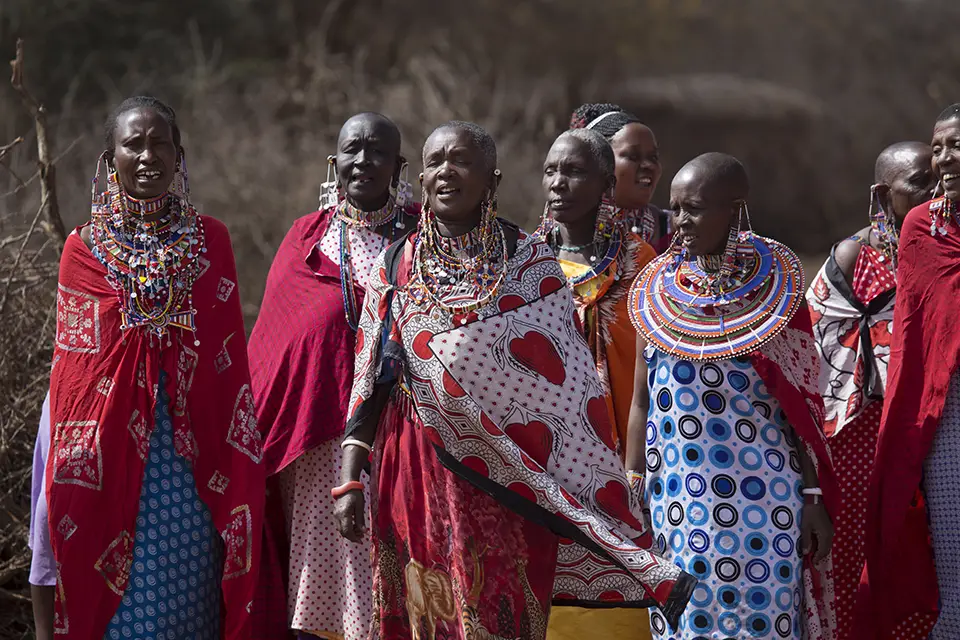
Many bush safari camps in East and Southern Africa integrate visits to local communities, giving context to the landscape and its people. In Kenya's Maasai Mara, visits to Maasai villages are commonly offered from camps. In Malawi, the warmth of local hospitality is widely noted by returning guests. Cultural visits are generally half-day activities with no significant physical demand, and they contribute meaningfully to how travellers understand the destinations they move through.
Beach and water activities
Snorkelling
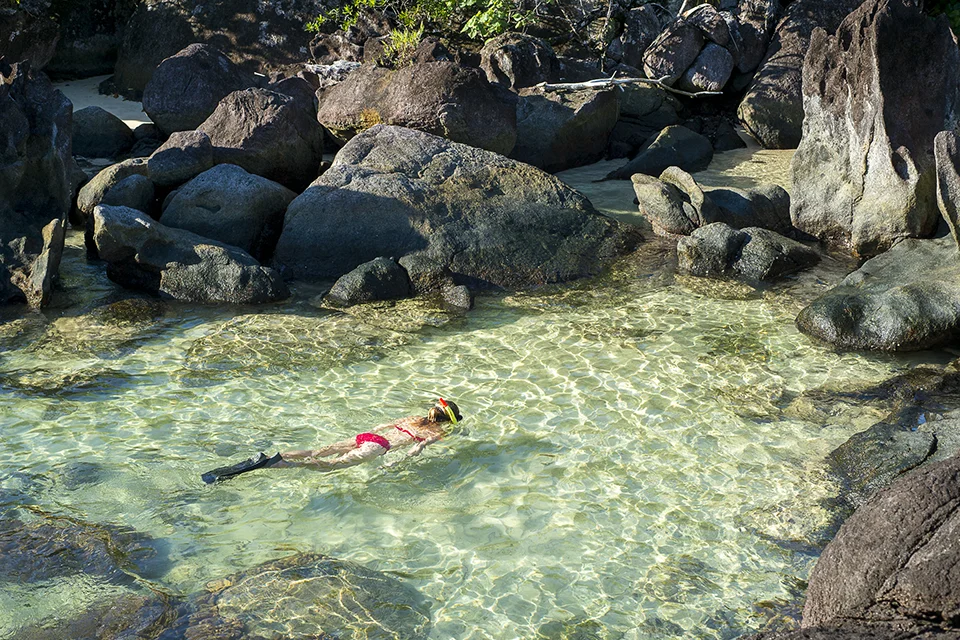
The Seychelles, Mozambique's Bazaruto Archipelago, Zanzibar and Mafia Island, Kenya's Diani and Kisite Mpunguti Marine Park, and Madagascar's Masoala Peninsula all offer coral reef snorkelling in warm, clear Indian Ocean water. Mafia Island is one of a handful of places globally where you can snorkel responsibly with whale sharks between October and February. Ross Exler, Africa Geographic’s safari expert, notes that many visitors arrive planning to relax on the beach but end up spending more time underwater: "I spend more time snorkelling than on the beach, exploring vibrant lagoons and reefs alive with colour, movement, and endless marine surprises." Physical demand: low to moderate.
Scuba diving
The Bazaruto Archipelago in Mozambique holds some of the Western Indian Ocean's best dive sites, with dugong, manta rays, and diverse reef fish. The Seychelles offers wall dives and granite bommies in protected marine parks. Zanzibar's Mnemba Atoll is a well-known dive site for reef species and occasional dolphins. Most beach destinations in Africa offer PADI instruction for beginners. Physical demand: moderate – certification required for independent diving.
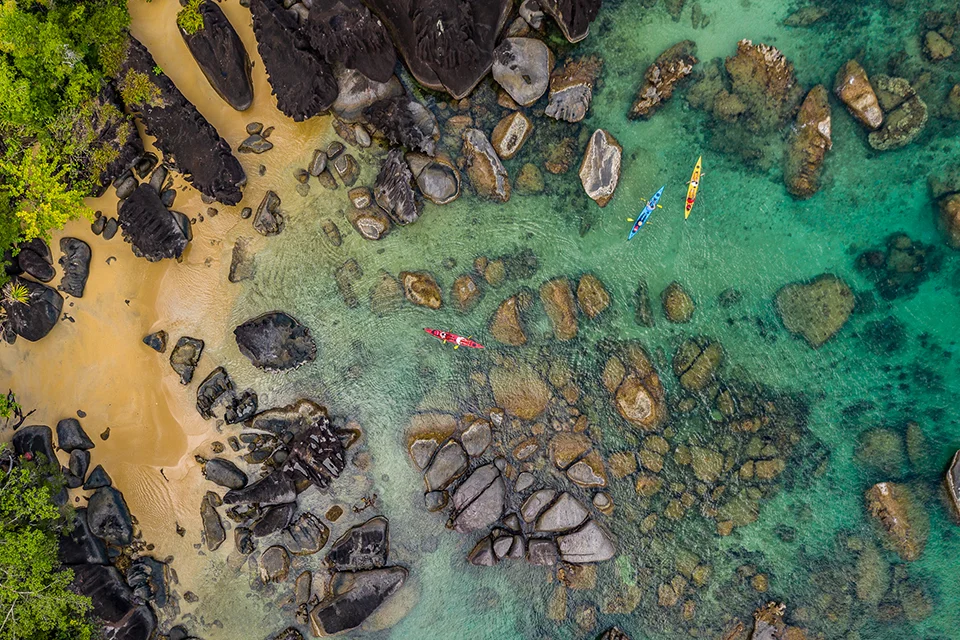
Kayaking and water sports
Sea kayaking is available at several Indian Ocean beach destinations, including Vilanculos in Mozambique, Diani in Kenya, and Alphonse Island in the Seychelles. Alphonse is a particular hub for fly fishing, kite surfing, and paddleboarding on a shallow, tidal flat lagoon. Lake Malawi offers kayaking and stand-up paddleboarding on the lake's calm surface, alongside snorkelling in freshwater with endemic cichlid species. Physical demand: moderate to high.
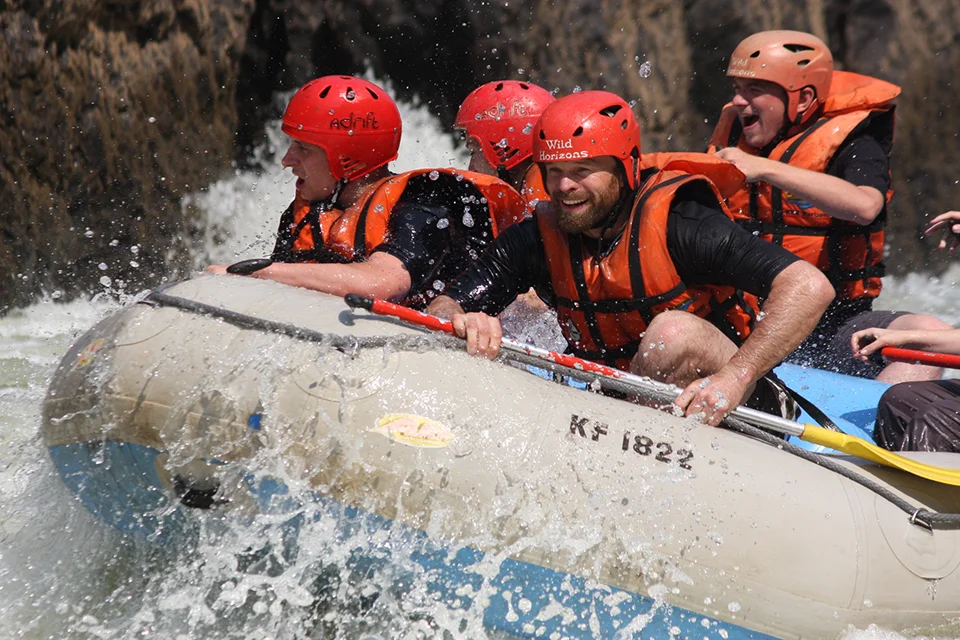
Whitewater rafting and adventure activities at Victoria Falls
Victoria Falls, on the Zambia-Zimbabwe border, sits at the intersection of bush and adventure travel. The Zambezi River below the falls is one of Africa's most demanding whitewater runs. Other activities include bungee jumping from the Victoria Falls Bridge, white-water kayaking, sunset river cruises, and helicopter flights over the falls. Africa Geographic safari concierge Tracie Walker describes Victoria Falls River Lodge as the ideal base: the boat ride to the lodge, the peaceful location close to town for adventures, and elephant sightings directly from the room make it a destination in its own right. Physical demand: high for rafting; low to moderate for river cruises and scenic flights.
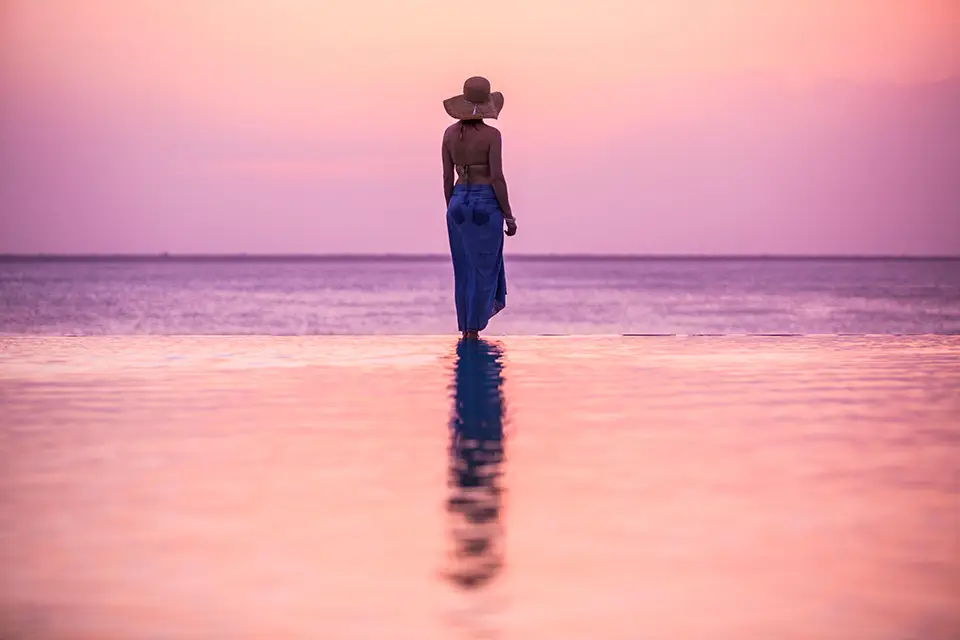
Beach relaxation and spa
The simplest and most-requested beach activity is time: long mornings on uncrowded sand, afternoon rests, and the deliberate pace that follows an intense safari. Destinations such as Diani Beach in Kenya, the Bazaruto Archipelago, the Seychelles, Zanzibar, and Lake Malawi all offer beaches with minimal development. Several lodges, including Sala Beach House on the South African coast, combine beachfront access with spa treatments. Linda Fox, Africa Geographic safari expert, describes sundowners on Sala's veranda while listening to the Indian Ocean as one of her favourite ways to end a safari.
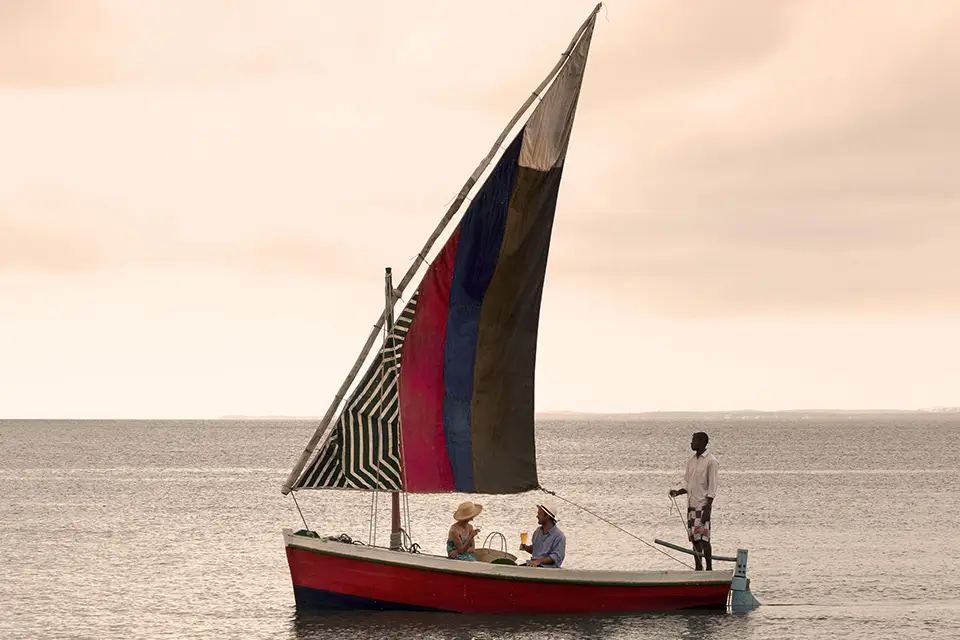
Dhow sailing
The traditional wooden dhow is the vessel of East African and Indian Ocean coastal culture. Dhow cruises run along the Mozambique coast, out of Vilanculos to the islands of the Bazaruto Archipelago, and across the Zanzibar Channel. In Lamu, Kenya, dhow sailing is embedded in the island's daily life. A dhow cruise typically combines sailing with snorkelling stops and a fresh seafood lunch or sundowner on a sandbank. Physical demand: low.
Frequently asked questions
A bush safari typically includes morning and evening game drives, guided walking safaris, and boat-based game viewing. Some destinations add gorilla or chimpanzee trekking, night drives, and specialist activities such as whale shark snorkelling or pangolin tracking. The beach component includes snorkelling, scuba diving, kayaking, dhow sailing, and beach relaxation. Most itineraries include a mix of active and relaxed options across both settings.
Tanzania pairs the Serengeti's wildlife with Zanzibar or Mafia Island for snorkelling and beach time. Kenya combines the Maasai Mara with Diani Beach or Lamu. Mozambique offers Gorongosa National Park alongside the Bazaruto Archipelago. South Africa links Kruger with the Mozambique coast or the Seychelles. Botswana's Okavango Delta can be combined with Zanzibar or the Mozambique coast via short regional flights.
Yes. The beach side of a bush and beach itinerary can include snorkelling, scuba diving, sea kayaking, stand-up paddleboarding, dhow sailing, and kite surfing, depending on the destination. Alphonse Island in the Seychelles is a dedicated fly-fishing, kite-surfing, and paddleboarding destination. Victoria Falls adds whitewater rafting on the Zambezi. Lake Malawi offers freshwater kayaking and snorkelling with endemic fish.
Most safari activities are accessible to a wide range of fitness levels. Game drives, sunset cruises, and beach relaxation require no physical exertion. Walking safaris and snorkelling require a moderate level of fitness. Gorilla trekking, whitewater rafting, and multi-day bush walks are more demanding. Africa Geographic's safari experts can tailor an itinerary to match your fitness level and activity preferences.
The answer depends on the destination pairing. East Africa has two dry seasons – the long dry season (June to October) and a shorter one (January to February) – with the long dry season offering the best game viewing in the Maasai Mara and Serengeti, while Indian Ocean beaches are year-round. In Southern Africa, the dry season (May to October) is optimal for game drives in Botswana and South Africa. Mafia Island's whale shark season runs October to February. The Seychelles is best April to May and October to November. Our experts can advise on the right timing for your specific combination.
Many bush and beach destinations welcome families with children of varying ages. Kenya's coast and the Seychelles are particularly family-friendly, with calm ocean conditions and beach activities suited to children. Game drives are appropriate for children aged 6 and above at most private camps; some lodges set the minimum age higher. A family itinerary can be structured to include activities for different ages, from low-intensity beach days to guided snorkelling and wildlife spotting.
Scuba diving requires PADI or equivalent certification for independent diving. Most beach destinations in Africa offer beginner dive courses and certified instruction for those without qualifications. Snorkelling, kayaking, stand-up paddleboarding, and dhow sailing require no prior certification. Whale shark snorkelling at Mafia Island, guided by responsible operators, is conducted as a snorkelling activity and does not require diving certification.
Yes, though this pairing requires a longer trip. Rwanda's Volcanoes National Park and Uganda's Bwindi Impenetrable Forest for mountain gorilla trekking can be combined with a flight to Zanzibar, the Seychelles, or the Mozambique coast for the beach component. Africa Geographic operates a dedicated gorilla trekking and Zanzibar safari. The journey from Uganda's mountain forests to a tropical island beach is logistically simple via Entebbe or Nairobi and makes for a particularly varied itinerary.
Start planning your dream safari
Our travel experts will craft a no-obligation itinerary just for you. We have crafted over 5,000 safaris since 1991. Your personal details are protected; we only use this information to contact you.
Why book your safari with us?

Deep Experience & Knowledge
Handcrafted experiential safaris since 1991.
Travel in Africa is about knowing when and where to go, and with whom. A few weeks too early/late or a few kilometres off course, and you could miss the greatest show on Earth. And wouldn’t that be a pity?

Trust & Safety

Make A Difference
We donate a portion of the revenue from every safari sold to carefully selected conservation projects that make a significant difference at ground level.
YOUR safari choice does make a difference - thank you!