

Safari experts & storytellers. Since 1991

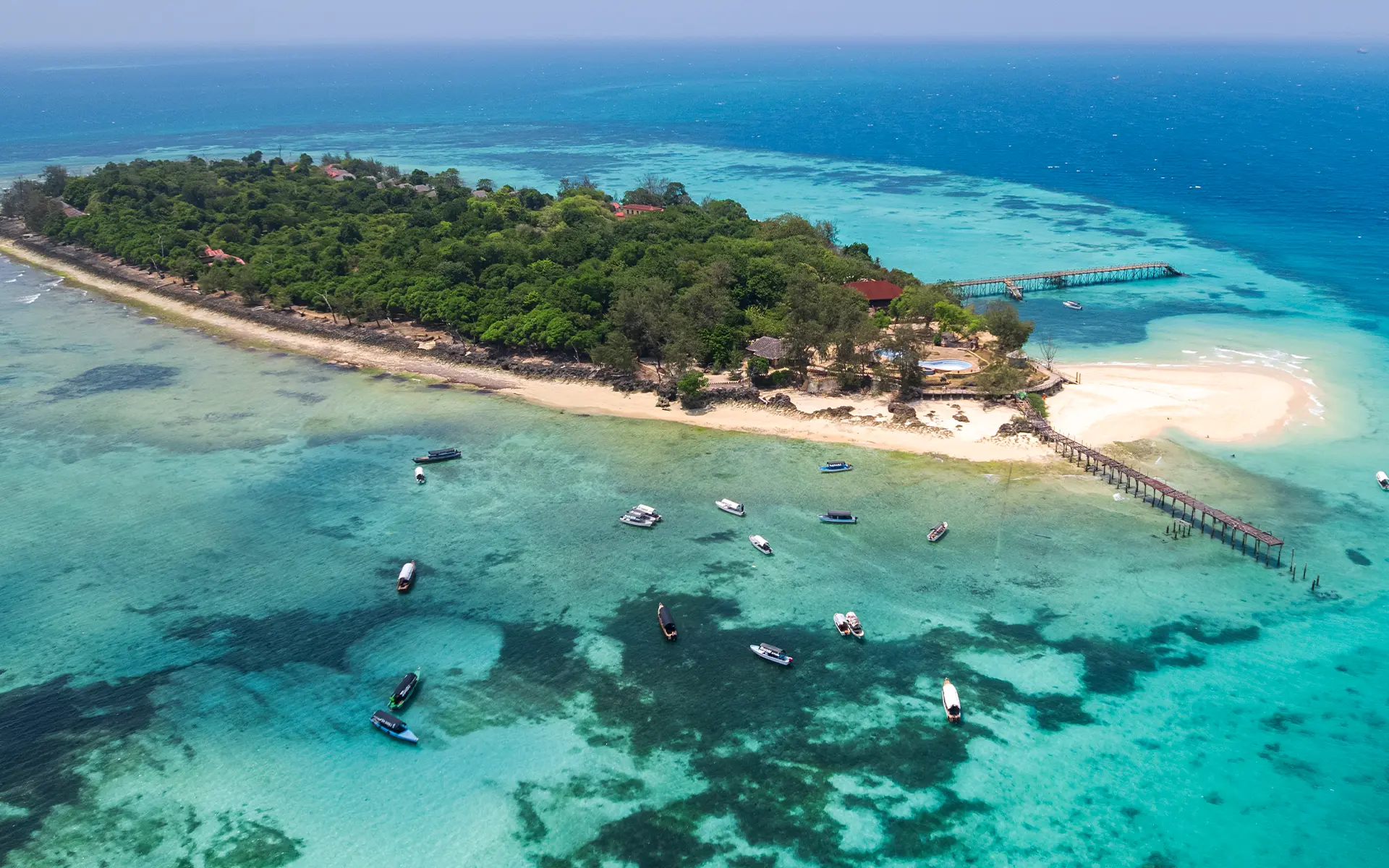

Trust us to find you the rarest animals, the most spectacular wildlife events, the remotest landscapes and deeply meaningful cultural encounters!
Zanzibar vs Pemba vs Mafia: Quick Answer
Zanzibar is best for culture, beaches, luxury resorts and first-time visitors.
Pemba is best for remote diving and an authentic Swahili atmosphere.
Mafia is best for marine life, whale sharks and barefoot eco-travel.
SO, choose Zanzibar for variety, Pemba for exclusivity, and Mafia for nature-focused travel. Three islands. Three completely different experiences.
Island comparison at a glance
FEATURE | ZANZIBAR (UNGUJA) | PEMBA ISLAND | MAFIA ISLAND |
|---|---|---|---|
Best for | Culture, beaches, variety | Diving, nature, solitude | Marine wildlife, eco-travel |
Signature experience | Stone Town & spice tours | Coral walls & dive drop-offs | Swimming with whale sharks |
Tourism level | High, well-developed | Medium, quietly growing | Very low, off the grid |
Accommodation | Budget to ultra-luxury | Rustic eco-lodges | Boutique eco-lodges |
Beaches | Excellent — white sand | Good — pristine & quiet | Deserted — raw & beautiful |
Diving & snorkelling | Good | Exceptional | Exceptional |
Cultural depth | Very high — Swahili, Arab, Indian | Moderate | Low |
Accessibility | Easiest — daily international flights | Short flight from Zanzibar | Remote — daily flight from Dar |
Price level | Medium–High | Medium | Medium |
Visa | Zanzibar visa | Zanzibar visa | Tanzania mainland visa required |
Minimum stay | 3–7 days | 3–5 days | 3+ days (logistics-driven) |
3 Spice Islands bush & beach safaris we love
The Spice Islands make a beautiful finale to a safari. Here are three handcrafted Africa Geographic itineraries that pair mainland wildlife with island magic:
Classic Tanzania Bush & Beach Safari: 10-day journey through Serengeti & Ngorongoro Crater, ending with sun-drenched days on Zanzibar's beaches. The ultimate bush-and-beach combination. View safari →
Ruaha and Mafia Island: From the wild savannas of Ruaha to the tropical reefs of Mafia, this journey offers both adventure and tranquillity in one seamless escape. View safari →
Gorillas & Zanzibar beaches: Meet a habituated gorilla family in Rwanda’s volcanic forest, one of Africa’s most profound wildlife experiences, and then relish barefoot luxury and a secluded beachfront villa on the Indian Ocean island of Zanzibar. View safari →
How to choose between the three islands
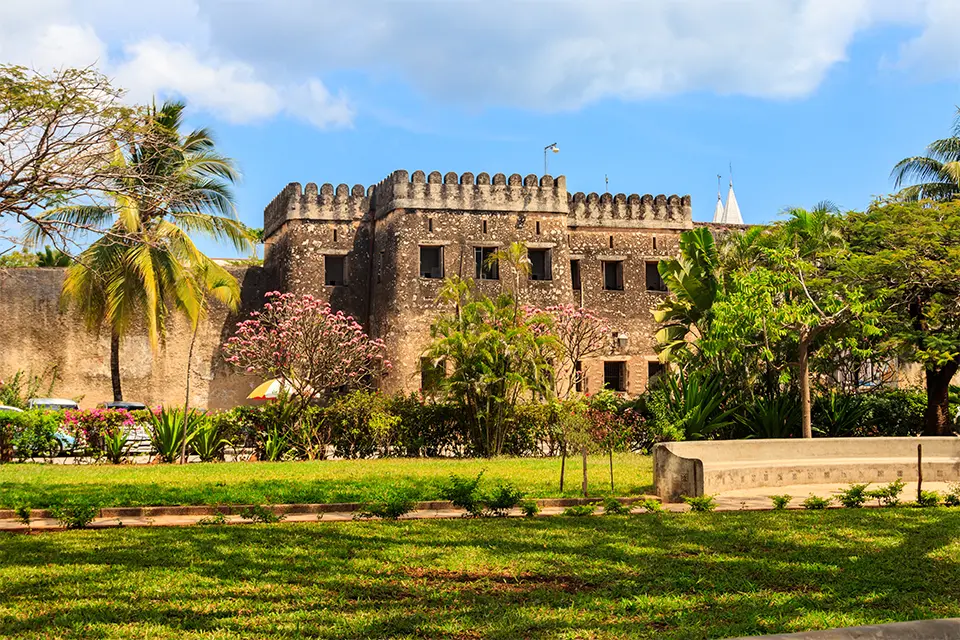
Choose Zanzibar if …
You want the most complete holiday experience: culture, beaches, dining, watersports and luxury accommodation in one accessible place. Zanzibar is also the natural choice if you are combining a beach stay with a Tanzania safari on the northern circuit, as it is served by direct flights from Arusha and Dar es Salaam and has the broadest range of accommodation at every price point.
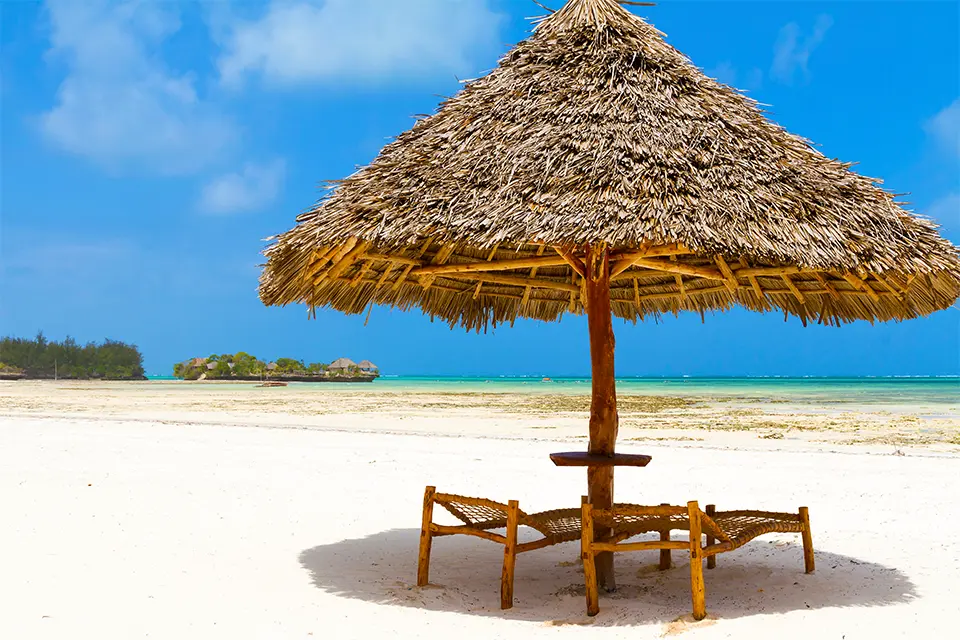
Choose Pemba if …
Diving is your priority, you value quiet over convenience, and you are looking for an authentic Swahili island experience free of tourist infrastructure. Pemba is 20–30 minutes by small aircraft from Zanzibar, making it a natural add-on to a Zanzibar trip for those who want to go deeper, literally. It shares the same Zanzibar visa, which simplifies logistics considerably.
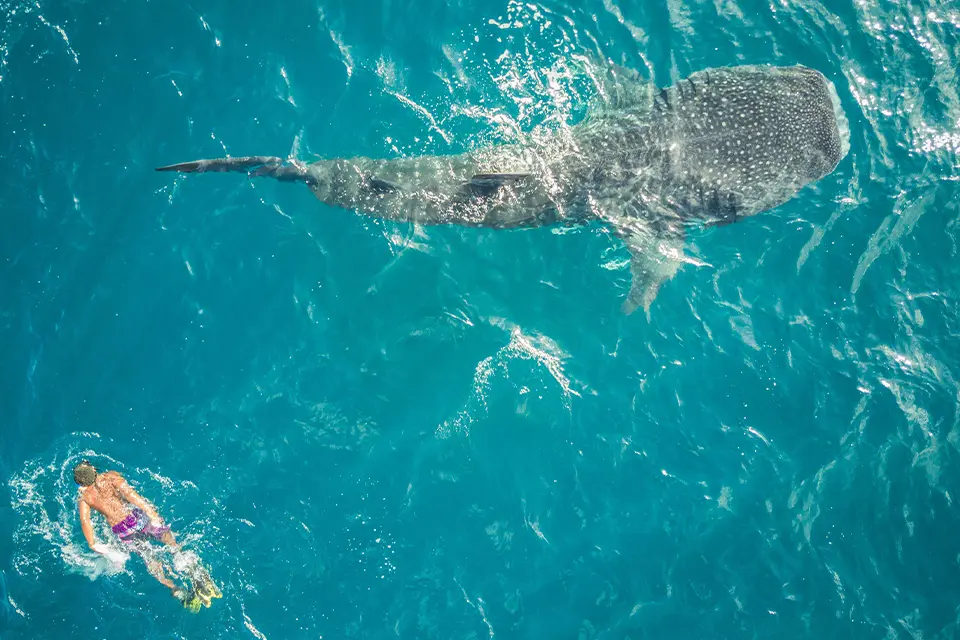
Choose Mafia if …
Marine wildlife is your main motivation, and you actively want to be off the tourist map. Mafia requires a separate Tanzania mainland visa and a dedicated flight from Dar es Salaam, so it works best as a standalone destination or paired with Tanzania's southern safari circuit like Ruaha National Park, rather than bolted onto a Zanzibar trip. Three nights is the practical minimum; five nights will do it justice.
Zanzibar: culture, beaches and the full Spice Island experience
What makes Zanzibar unique?
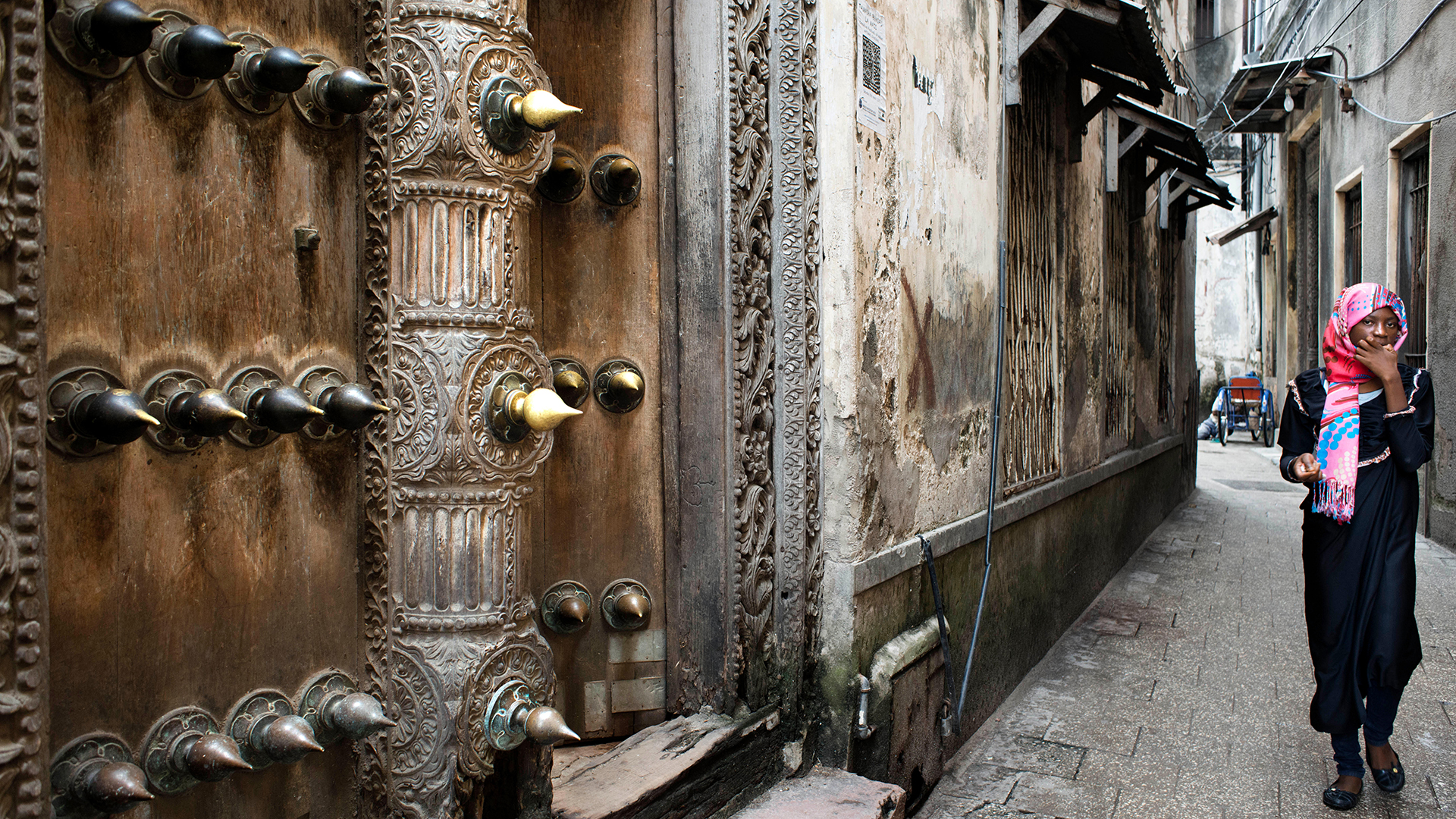
Zanzibar (Unguja) is East Africa's most visited island and the gateway to the Spice Islands. Its capital, Stone Town, is a UNESCO World Heritage Site where Swahili, Arab, Indian and Portuguese influences collide in a labyrinth of carved wooden doors, spice-scented markets and ancient coral-stone buildings. Beyond the city, Zanzibar's beaches span everything from the lively shores of Nungwi in the north to the wind-swept kite-surfing flats of Paje in the east.
What is Zanzibar best for?
Zanzibar is best for first-time visitors to the Spice Islands, honeymooners, families and anyone who wants a full holiday in one place. With the widest range of accommodation — from barefoot eco-lodges to private island resorts — and the most activity options, Zanzibar suits travellers who want culture, beach and adventure without compromise. Its international airport also makes it the easiest entry and exit point for a Tanzania safari extension.
Top experiences in Zanzibar
Stone Town walking tour: UNESCO-listed history, carved doors, slave trade memorial and the Forodhani night food market
Spice farm tour: guided visits to working clove, nutmeg, cinnamon and vanilla plantations
Nungwi & Kendwa beaches: the island's best for swimming with minimal tidal variation
Jozani Forest Reserve: home to Zanzibar's endemic red colobus monkey
Snorkelling at Mnemba Atoll: one of East Africa's finest coral reef day trips
Sunset dhow cruise: a quintessential Zanzibar experience on traditional sailing vessels
Dolphin watching at Kizimkazi: spinner and bottlenose dolphin encounters in the wild
Pemba Island: East Africa's best-kept diving secret
What makes Pemba unique?
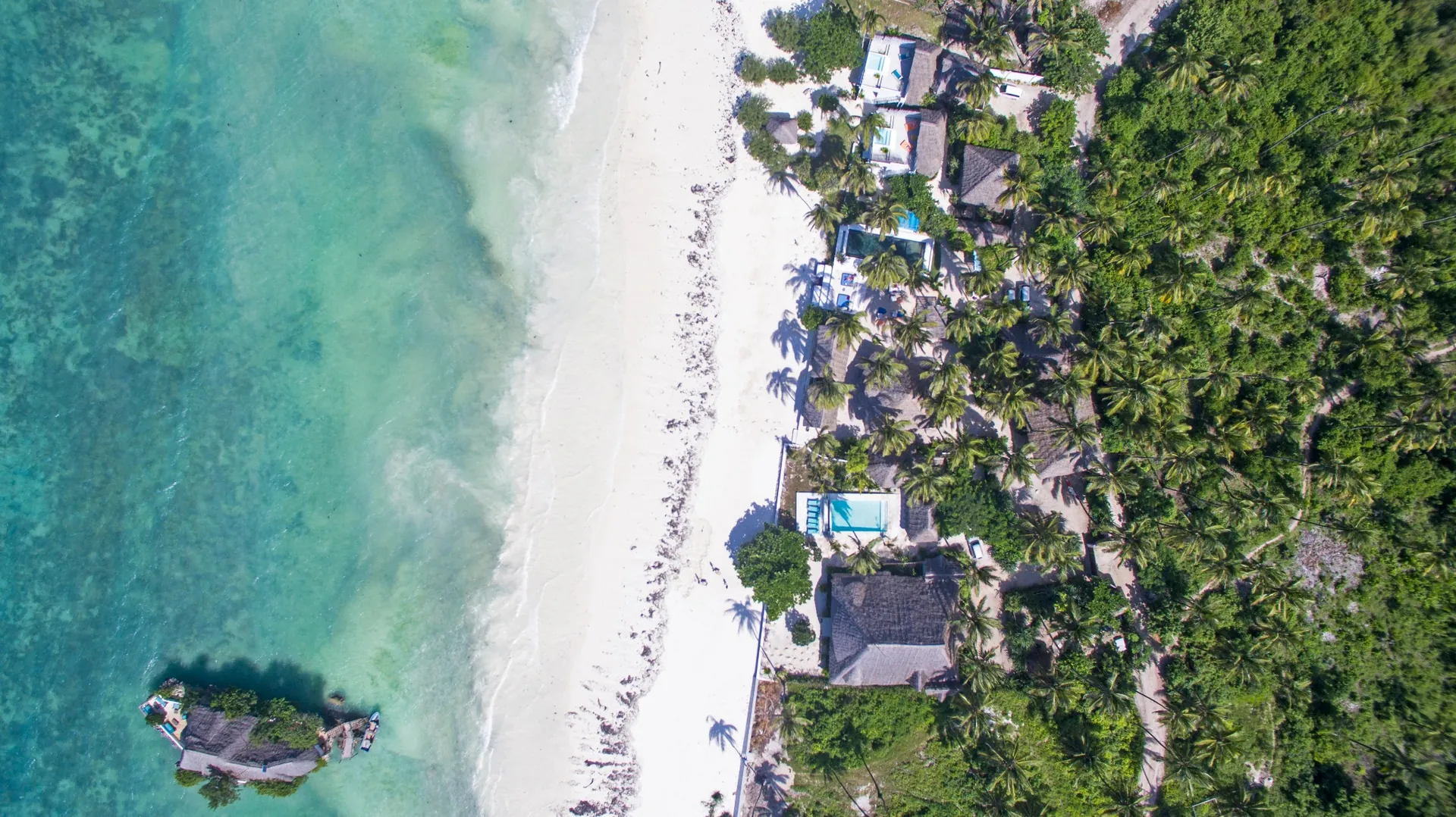
Pemba is the archipelago's lush, unhurried counterpart to Zanzibar. Covered in clove plantations, coconut palms and dense forest, the island sits further north in the Indian Ocean and receives far fewer visitors. Its western coast is where the ocean floor drops away into extraordinary underwater geography. Steep coral walls, dramatic drop-offs and rich, healthy reef gardens that consistently rank among East Africa's finest dive sites. Dolphins, both bottlenose and spinner, are regularly encountered in open water.
What is Pemba best for?
Pemba is the best choice for divers and snorkellers seeking something more rewarding than Zanzibar's reefs, travellers who want genuine seclusion without flying to the end of the earth, and those who value authentic Swahili culture over resort infrastructure. Birders will find Pemba exceptional. Four bird species exist nowhere else on Earth, including the Pemba scops owl and Pemba sunbird. Note that accommodation is simpler here; Pemba rewards travellers with low-maintenance tastes and a sense of adventure.
Top experiences on Pemba Island
Dive the western coral walls: drop-offs, canyons and reef gardens with extraordinary biodiversity
Dolphin encounters: spinner and bottlenose dolphins are regularly spotted on boat excursions
Snorkelling at pristine bays: sheltered inlets with clear, warm water and healthy coral
Pujini ruins: remnants of a 15th-century fortified palace, the only significant historical site on Pemba
Birding: endemic Pemba scops owl, Pemba sunbird, Pemba green pigeon and Pemba white-eye
Njao Island day trip: a tiny, largely uninhabited islet off Pemba's coast, perfect for a deserted-beach picnic
Mafia Island: Tanzania's remote marine wilderness
What makes Mafia Island unique?
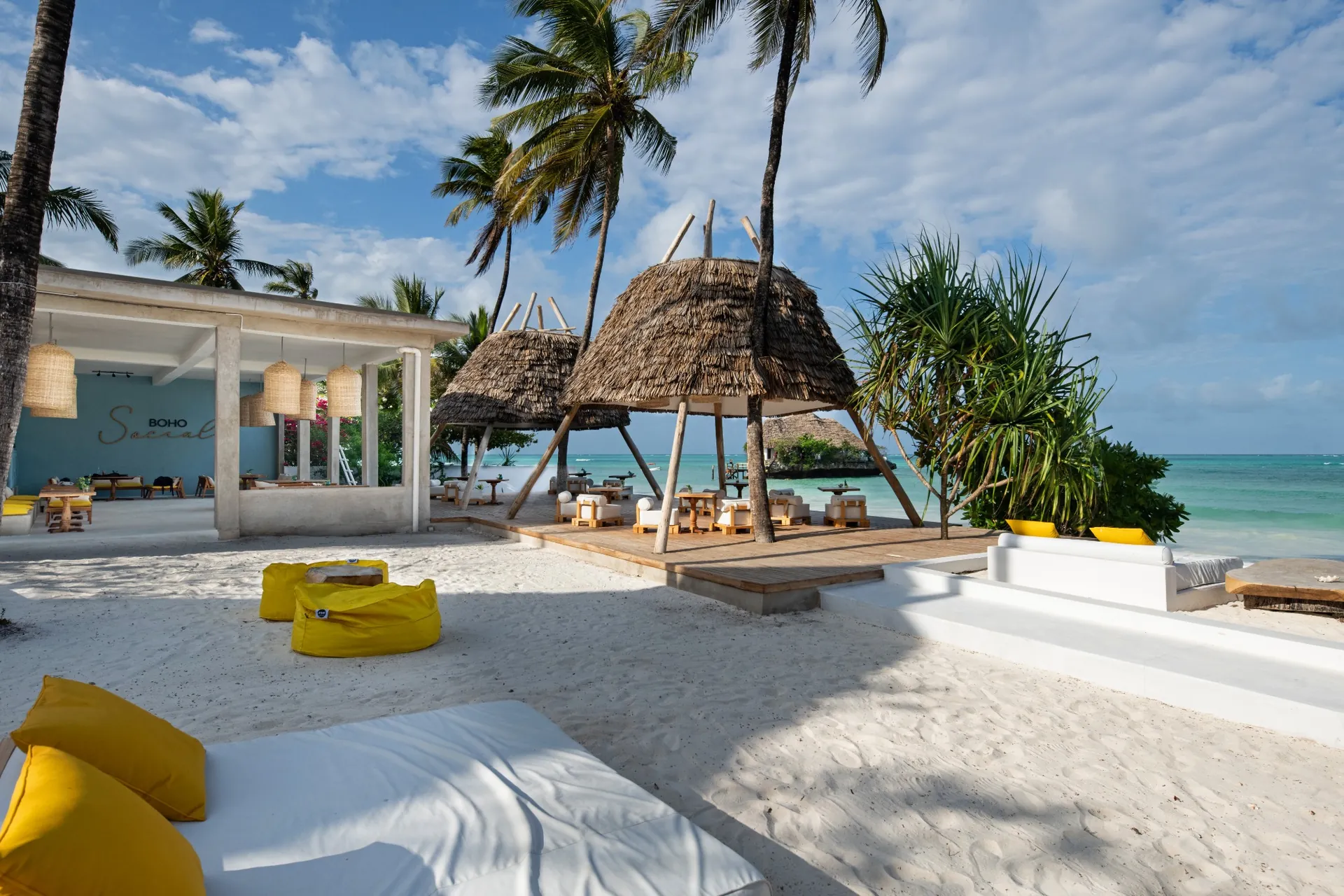
Mafia is Tanzania's most remote and least visited major island, and that is precisely what makes it appealing. Located 160 km south of Zanzibar, it is home to Tanzania's first and oldest marine park, protecting over 460 species of fish, 50 genera of coral and some of the healthiest reef systems in the western Indian Ocean. Between October and March, juvenile whale sharks, the largest fish on Earth, gather in Chole Bay in concentrations found at few other places in the world. There are no ATMs, no chain hotels and no roads outside the main village.
What is Mafia Island best for?
Mafia is best for marine wildlife enthusiasts, committed eco-travellers and anyone who wants to disappear completely from the tourist trail. The island's community-owned marine park and small-scale lodge sector ensure that tourism here remains low-impact and deeply authentic. If swimming with whale sharks in open water, no cages, no feeding, just you and a six-metre fish filtering plankton beside you, is on your bucket list, Mafia Island is where it happens best. Budget at least three nights to make the logistics worthwhile.
Top experiences on Mafia Island
Whale shark swimming (Oct–Mar): snorkel alongside the world's largest fish in Chole Bay
Scuba diving at Mafia Island Marine Park: pristine reefs, giant table corals, sea fans and over 460 fish species
Snorkelling: exceptional even for non-divers, with vivid coral gardens close to shore
Sea turtle encounters: nesting turtles and hatchlings are regularly seen on the beaches
Chole Island dhow trips: explore the ruins of a 19th-century Arab trading town by traditional boat
Birdwatching: the archipelago hosts over 120 species, including several rare coastal and forest birds
Important practical differences between the islands
Visas and entry requirements
This is one of the most important practical differences between the islands. Zanzibar (Unguja) and Pemba Island are both part of the semi-autonomous Zanzibar region of Tanzania — a single Zanzibar visa covers both. Mafia Island, however, falls under the Pwani region of mainland Tanzania and requires a standard Tanzania mainland visa. A Tanzania mainland visa (currently $50 on arrival) covers all islands, including Zanzibar and Pemba, making it the most flexible option if you plan to combine any of the three.
Getting to each island
Zanzibar is the most accessible, with an international airport served by regional carriers and some long-haul connections. Pemba is best reached by a short 20–30 minute domestic flight from Zanzibar on small 12-seat turboprop aircraft — these flights book up quickly and should be reserved in advance. Mafia is reached by a 45-minute flight from Dar es Salaam; note that only one or two scheduled services operate daily. For all three islands, flying is strongly preferred over ferrying for both safety and efficiency.
Best time to visit the Spice Islands
The Spice Islands are warm year-round, but the best periods are the two dry seasons: June to October and December to early March. June to October aligns perfectly with the peak Tanzania safari season — the Great Migration is in full swing on the Serengeti — making this the ideal window for a combined bush-and-beach itinerary. December to March brings the hottest temperatures and the calmest ocean conditions, and it is also prime whale shark season on Mafia Island (specifically October to March).
Frequently asked questions
Zanzibar (Unguja) is the largest and most developed island, the destination for culture, beaches and variety. Pemba is a quieter, lush island renowned for world-class diving and seclusion. Mafia is the most remote, with a protected marine park, minimal tourist infrastructure and seasonal whale shark encounters from October to March. Each island suits a fundamentally different type of traveller.
Both Pemba and Mafia outperform Zanzibar for serious divers. Pemba's western coastline features dramatic coral walls, drop-offs and rich fish life with regular dolphin encounters. Mafia Island Marine Park, Tanzania's first marine park, protects some of the western Indian Ocean's most diverse reefs, home to over 460 fish species and exceptional coral diversity. The choice between Pemba and Mafia for diving often comes down to whether whale sharks (Mafia, October–March) are on your wish list.
Whale sharks are most reliably encountered at Mafia Island, particularly in Chole Bay between October and March when juvenile sharks gather in significant numbers. Whale sharks do occasionally pass through the waters around Pemba and Zanzibar during their seasonal migration, but Mafia is the only island where encounters are a primary, predictable tourism activity managed under a formal conservation code of conduct. Africa Geographic's Tanzania experts can advise on the best timing for your trip.
Zanzibar is the most natural safari extension, accessible by direct flights from both Arusha and the Serengeti, with the widest range of accommodation. Most Africa Geographic classic Tanzania itineraries, including our Classic Tanzania Bush & Beach Safari, conclude with a Zanzibar beach stay. For travellers on the southern circuit (for example, Ruaha), Mafia Island is an outstanding alternative given its proximity to Dar es Salaam. Pemba works well as a Zanzibar add-on for those wanting a diving extension.
Yes. Unlike Zanzibar and Pemba, which share the semi-autonomous Zanzibar visa, Mafia Island is part of mainland Tanzania's Pwani region and requires a standard Tanzania mainland visa. A Tanzania mainland visa ($50 on arrival) covers the entire Tanzanian territory, including Zanzibar and Pemba, making it the most flexible option if you intend to visit more than one island. If you apply for a Zanzibar-only visa online, you will not be permitted to visit Mafia Island.
Zanzibar has the widest price range, but its resort infrastructure means mid-range and luxury stays are proportionally more expensive than the other islands. Pemba and Mafia are generally more affordable for accommodation because lodges are smaller and less commercialised. However, reaching Pemba and, especially, Mafia involves additional domestic flight costs, and the limited number of lodges on each island means there is less price competition. Budget travellers are almost always better served by Zanzibar.
For Zanzibar, a minimum of four nights is recommended to cover Stone Town and at least one beach area; seven nights allows for a more relaxed pace. Pemba is best with three to five nights; enough time to dive multiple sites and explore the island. Mafia requires a minimum of three nights, given the logistics of reaching it, though five nights is ideal for maximising whale shark and diving opportunities. Multi-island combinations typically work best with a 7–9-day beach extension following a mainland safari.
Zanzibar is the clear choice for families. It has the most family-friendly resorts, the widest range of activities for different ages, and the easiest logistics. Stone Town is genuinely fascinating for older children, and the beach areas offer safe, calm swimming at high tide. Mafia and Pemba are best suited to adults, particularly those focused on diving or seeking genuine seclusion. That said, Africa Geographic can tailor any Spice Islands itinerary to suit your family's specific ages and interests.
Start planning your dream safari
Our travel experts will craft a no-obligation itinerary just for you. We have crafted over 5,000 safaris since 1991. Your personal details are protected; we only use this information to contact you.
Why book your safari with us?

Deep Experience & Knowledge
Handcrafted experiential safaris since 1991.
Travel in Africa is about knowing when and where to go, and with whom. A few weeks too early/late or a few kilometres off course, and you could miss the greatest show on Earth. And wouldn’t that be a pity?

Trust & Safety

Make A Difference
We donate a portion of the revenue from every safari sold to carefully selected conservation projects that make a significant difference at ground level.
YOUR safari choice does make a difference - thank you!