

Safari experts & storytellers. Since 1991

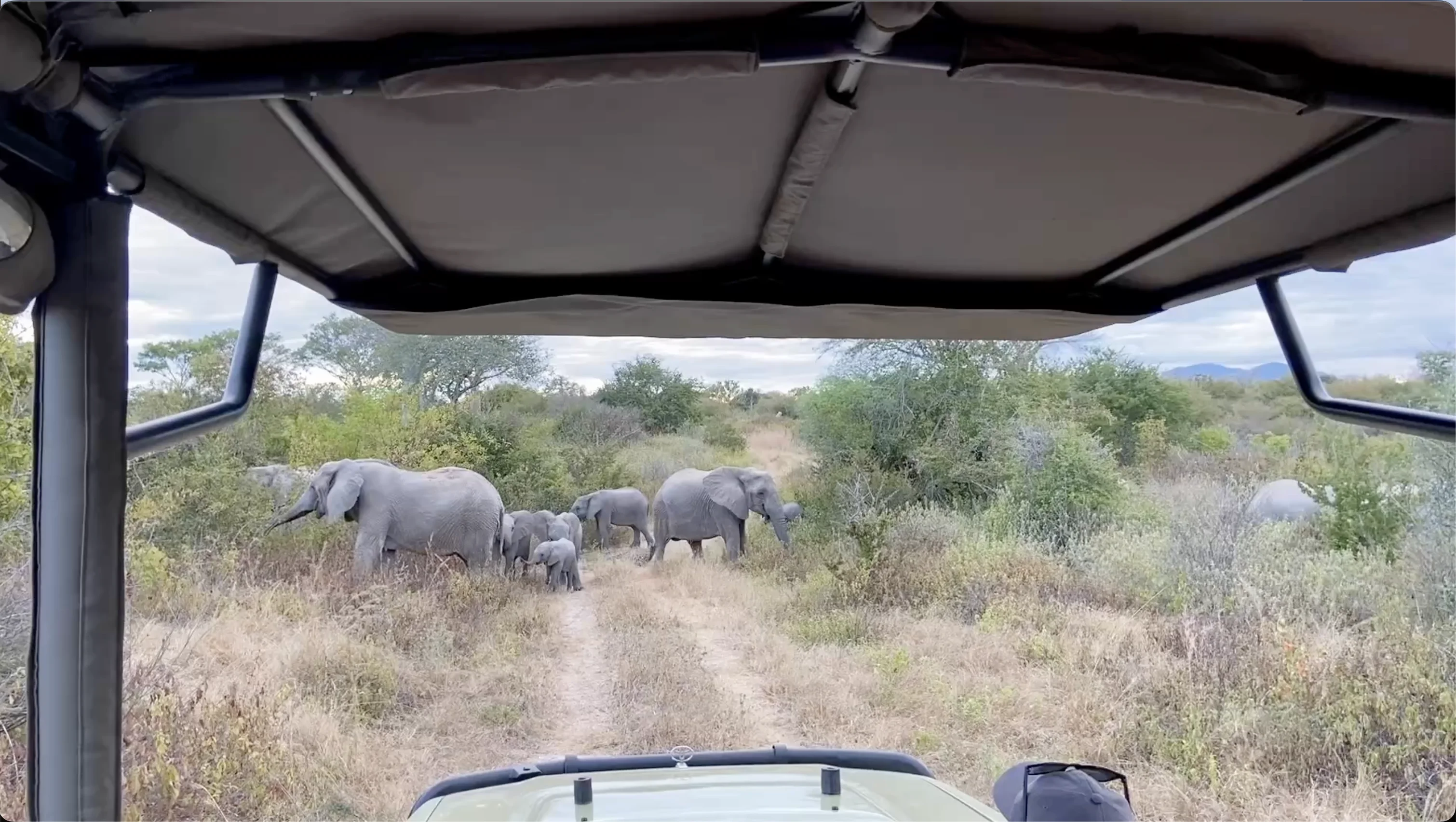


Ruaha National Park: Tanzania's ancient wilderness, raw and unguarded
Ruaha National Park at a glance:
Location: Central Tanzania, southern circuit | Size: Over 20,000 km², Tanzania's largest national park |
Access: Daily scheduled flights to Msembe and Jongomero airstrips from Dar es Salaam, Arusha, Dodoma and Kigoma | Best time to visit: June–October (dry season); November–December for birdwatching |
Nearest international airport: Julius Nyerere International Airport, Dar es Salaam (DAR) | Minimum recommended stay: 4–5 nights |
Key wildlife: Lion, elephant, leopard, cheetah, wild dog, striped hyena, greater and lesser kudu | Malaria risk: Yes. Prophylaxis recommended; risk is lowest June–October |
Why visit Ruaha National Park?
Few national parks in Africa demand so little of the visitor and return so much. Ruaha sits at the heart of Tanzania's southern circuit, a landscape of giant baobabs, rocky escarpments and wide sandy riverbeds where the miombo woodlands of southern Africa give way to the open savannahs of the East. The Great Ruaha River, flowing through an extension of the Great Rift Valley, is the park's lifeblood, drawing wildlife from across the semi-arid landscape toward its banks with a quiet, seasonal inevitability.
Ruaha holds approximately 10% of Africa's lions, Tanzania's largest elephant population, and a predator community whose breadth and density few parks anywhere can match. What makes it still more remarkable is this biogeographic position: southern and East African species co-exist here in a combination found nowhere else at this scale, producing wildlife encounters of genuine rarity and variety.
The greater Ruaha ecosystem extends to approximately 45,000 km², encompassing adjoining game reserves and Wildlife Management Areas that together protect one of Africa's most significant unfenced wildlife landscapes. Those who make the journey, and they remain few, describe a sense of wilderness that is becoming genuinely hard to find: a park where the size of the land and the scale of the wildlife still feel matched.
5 reasons we love Ruaha National Park
Unmatched predator diversity: Lion, leopard, cheetah, African wild dog (painted wolf), spotted hyena and the elusive striped hyena share the same landscape: a concentration of apex predators exceptional anywhere in Africa.
Baobabs with a thousand years of history: Ancient, elephant-sculpted and ecologically irreplaceable, Ruaha's iconic trees carry honey-harvesting pegs dating back centuries and define a safari landscape unlike any other.
Two regions' worth of wildlife: Ruaha's biogeographic crossover brings southern and East African species together. Greater and lesser kudu share territory here, one of the very few places on the continent where this occurs.
Solitude as standard: Only around 1% of Tanzania's visitors reach Ruaha. Even at peak season, the park's vast scale means wildlife encounters that feel entirely unshared.
The Great Ruaha River orchestrates everything: As the dry season deepens, this permanent river draws elephants, buffalo, hippos, crocodiles and lions into dramatic, concentrated gatherings along its banks.
Our favourite Ruaha National Park safari ideas
All you need to know about Ruaha National Park
Things to do in Ruaha National Park
Game drives along the Mwagusi and Great Ruaha rivers: Follow predator and elephant movements between the park's key waterways in an open 4WD vehicle. In the dry season, lion and leopard encounters are near-certain.
Walking safaris: Select camps lead guided walks through the baobab-scattered terrain at dawn, bringing you to ground level with tracking, plant identification, and the sensory overload of moving through this remote landscape.
Night drives: At camps where available, after-dark drives reveal Ruaha's nocturnal community: aardvarks, bush babies, civets, genets and occasionally a leopard returning to a cached kill.
Fly camping: Sleep out beneath an open sky in purpose-designed bush tents in the wilderness. Laba Jongomero Camp offers this experience in the park's remote south.
Balloon safaris: Available seasonally from July to October, dawn balloon flights rise silently above the plains, baobab groves and the sinuous Ruaha and Mwagusi rivers, revealing the park's full scale from above.
Birdwatching: Over 570 recorded species inhabit the arid but biodiverse ecosystem, making Ruaha one of Tanzania's finest birding destinations.
What wildlife can I see in Ruaha National Park?
Lions: One of Africa's most significant lion strongholds and a designated Tanzania Lion Conservation Unit, Ruaha supports unusually large prides, often numbering 20 or more individuals, that are well habituated to safari vehicles.
Elephants, buffalo and the river system: Tanzania's largest elephant population converges on the Great Ruaha River in the dry season alongside vast buffalo herds, hippopotamus and Nile crocodiles, concentrated by the simple geometry of a permanent river in a drying land.
Leopard, cheetah and African wild dog: Three of Africa's most sought-after predators occur here in healthy numbers. Ruaha is one of East Africa's most important remaining strongholds for the African wild dog (painted wolf), with over 100 individuals documented in the park.
Hyenas - rare and common: Ruaha is one of the few places in Africa where the striped hyena can be found, giving the park exceptional carnivore diversity. Spotted hyenas are common throughout.
The biogeographic crossover species: Greater and lesser kudu share territory in Ruaha. This is one of the very few places on the continent where this occurs. Sable antelope, roan antelope, eland and Lichtenstein's hartebeest share the landscape alongside Masai giraffe and Grant's gazelle.
Birds: Over 570 species recorded, including yellow-collared lovebird, ashy starling, Tanzanian red-billed hornbill, Ruaha chat, Eleonora’s falcon, racket-tailed roller, pale-billed hornbill, Dickinson’s kestrel, Pel’s fishing owl, Böhm’s bee-eater, sooty falcon, violet-crested turaco and collared palm-thrush.
Where to stay in Ruaha National Park?
Mwagusi Safari Camp sits on a bend of the seasonal Mwagusi River in the park's northern reaches, the area that has built Ruaha its international reputation. The park's oldest camp, Mwagusi has an owner-run character and a depth of knowledge of this landscape that longer-established operations rarely match.
Kigelia Ruaha occupies the same prime Mwagusi zone, set beneath a grove of kigelia sausage trees that give the camp both its name and a distinctive shaded intimacy. Where Mwagusi brings historical gravitas, Kigelia offers a quieter canvas character, with elephants known to wander through the camp itself. Walking safaris are available here, and the riverine setting keeps wildlife close throughout the dry season.
Laba Jongomero Camp lies in a different corner of the park entirely: the remote south, on the banks of the seasonal Jongomero River. This is Ruaha at its most undisturbed. Walking safaris are on offer, and Laba Jongomero is the only camp among the four featured properties to offer fly camping, sleeping out in purpose-designed tents beneath an open sky in the surrounding wilderness.
Ruaha River Lodge is positioned directly on the Great Ruaha River, the park's permanent water source. The largest of the four properties, it sits beside the rocky river, where wildlife moving to water is a constant, year-round spectacle. It offers an accessible starting point for travellers new to the southern circuit, with front-row access to the dry-season concentrations the river produces.
Trusted by thousands of ecstatic travellers
✔️ 5-Star Trustpilot Rating ✔️ Condé Nast Travel Specialist Award Winner
✔️ Accredited by SATSA ✔️ 5,000+ Exceptional Safaris Since 1991
Why choose Africa Geographic to plan your safari?

"Been traveling with Africa Geographic for some time now and it has always been a fantastic experience...This time was Selous and Ruaha National Parks in Tanzania. The camps were beautifully positioned, the management impeccable ad the food was delicious! Africa Geographic suggested the destination and planned it extremely well."
"...We then headed to Tanzania and the first camp was in Ruaha. We were lucky to see a leopard with two small cubs (a first for me), lions mating, lions feasting on a baby elephant plus a vast array of other animals and birds. A spectacular area with the river and scenery dotted with numerous baobab trees...Another fantastic and unforgettable trip"
"Tanzania was amazing...The 2 drivers were with us every day and were knowledgeable and good communicators. Their many years of experience and also skill in driving thru challenging rough terrain allowed us to get to great viewing spots at the right times. The food was abundant and very good quality...The hospitality was excellent everywhere we went."
Wish you were here?
Frequently asked questions
June to October is peak season, when wildlife concentrates around the Great Ruaha River and thinning vegetation makes sightings easier. Ruaha has one rainy season, roughly November to April, unlike the two-season pattern of northern Tanzania. Most camps close between March and May.
Ruaha is a fly-in destination served by daily scheduled flights to Msembe and Jongomero airstrips from Dar es Salaam, Arusha, Dodoma and Kigoma. The gateway international airport is Julius Nyerere International Airport, Dar es Salaam. Lodge staff meet and transfer guests directly on arrival.
Ruaha covers over 20,000 km², making it Tanzania's largest national park and larger than the Serengeti by approximately 6,000 km². The greater Ruaha ecosystem, including adjoining game reserves and Wildlife Management Areas, extends the protected landscape to around 45,000 km².
Ruaha is on Tanzania's southern circuit and is a fundamentally different experience. There is no wildebeest migration, but the park offers greater predator diversity, a rare mix of southern and East African species, and a near-complete absence of other vehicles. It is an outstanding destination in its own right.
Ruaha is estimated to hold approximately 10% of Africa's remaining lion population and is a designated Tanzania Lion Conservation Unit. Prides here commonly number 20 or more individuals and are well habituated to vehicles, making encounters relaxed and extended. The Mwagusi area is most productive for sightings.
Yes. Ruaha is one of East Africa's most significant remaining wild dog strongholds, with over 100 individuals documented in the park. Sightings are most likely in the dry season, when prey species concentrate around the river system.
Walking safaris are available at select camps including Kigelia Ruaha and Laba Jongomero Camp, with guiding standards among the best in Tanzania. Not every camp offers walks, as some decline given the park's high elephant density. Confirm availability when planning your trip.
Yes. Hot-air balloon safaris operate seasonally from July to October, rising at dawn above the plains, baobab groves and river systems for an aerial perspective unlike any ground-level activity. Book through your camp in advance, particularly during peak season.
The Mwagusi is a seasonal sand river in the park's northern reaches that defines Ruaha's reputation for exceptional predator viewing. In the dry season, its sandy bed draws elephants digging for water and lion prides following the resulting concentrations, with a density of wildlife encounters rare even by East African standards.
Ruaha pairs naturally with Nyerere National Park for a southern circuit itinerary combining big-cat viewing with Nyerere's boat-based wildlife experiences. For bush and beach, Zanzibar, Pemba and Mafia are all reachable from Dar es Salaam. Mahale Mountains National Park offers chimpanzee trekking as a further pairing.
Ruaha is entirely appropriate for first-time visitors. The guiding standards across the park are among the best in Tanzania, wildlife encounters are exceptional and uncrowded, and the absence of the northern circuit's tourist infrastructure is not a limitation but the very thing that makes a Ruaha safari memorable.
Ruaha became a full national park in 1964, expanding to its current size in 2008 with the merger of Usangu Game Reserve. The landscape carries older history: Chief Mkwawa of the Hehe people used its rocky outcrops as a refuge during resistance against German colonial forces in the late 19th century.
Safaris at the Ruaha lodges listed on this page typically cost from US$350 per person, per night, depending on the accommodation comfort level, time of year and activities. This price usually includes accommodation, all meals, game drives, experienced guides, and 24/7 support from our team.
Click here to schedule a no-obligation call with one of our Safari Experts or fill in our 2-minute form with your questions. Our team of experts are here to help! Whether you’re curious about the best time to travel, want to hear first-hand about an experience or need help planning your safari.
Explore more African destinations
Start planning your dream safari
Our travel experts will craft a no-obligation itinerary just for you. We have crafted over 5,000 safaris since 1991. Your personal details are protected; we only use this information to contact you.
Why book your safari with us?

Deep Experience & Knowledge
Handcrafted experiential safaris since 1991.
Travel in Africa is about knowing when and where to go, and with whom. A few weeks too early/late or a few kilometres off course, and you could miss the greatest show on Earth. And wouldn’t that be a pity?

Trust & Safety

Make A Difference
We donate a portion of the revenue from every safari sold to carefully selected conservation projects that make a significant difference at ground level.
YOUR safari choice does make a difference - thank you!