

Safari experts & storytellers. Since 1991

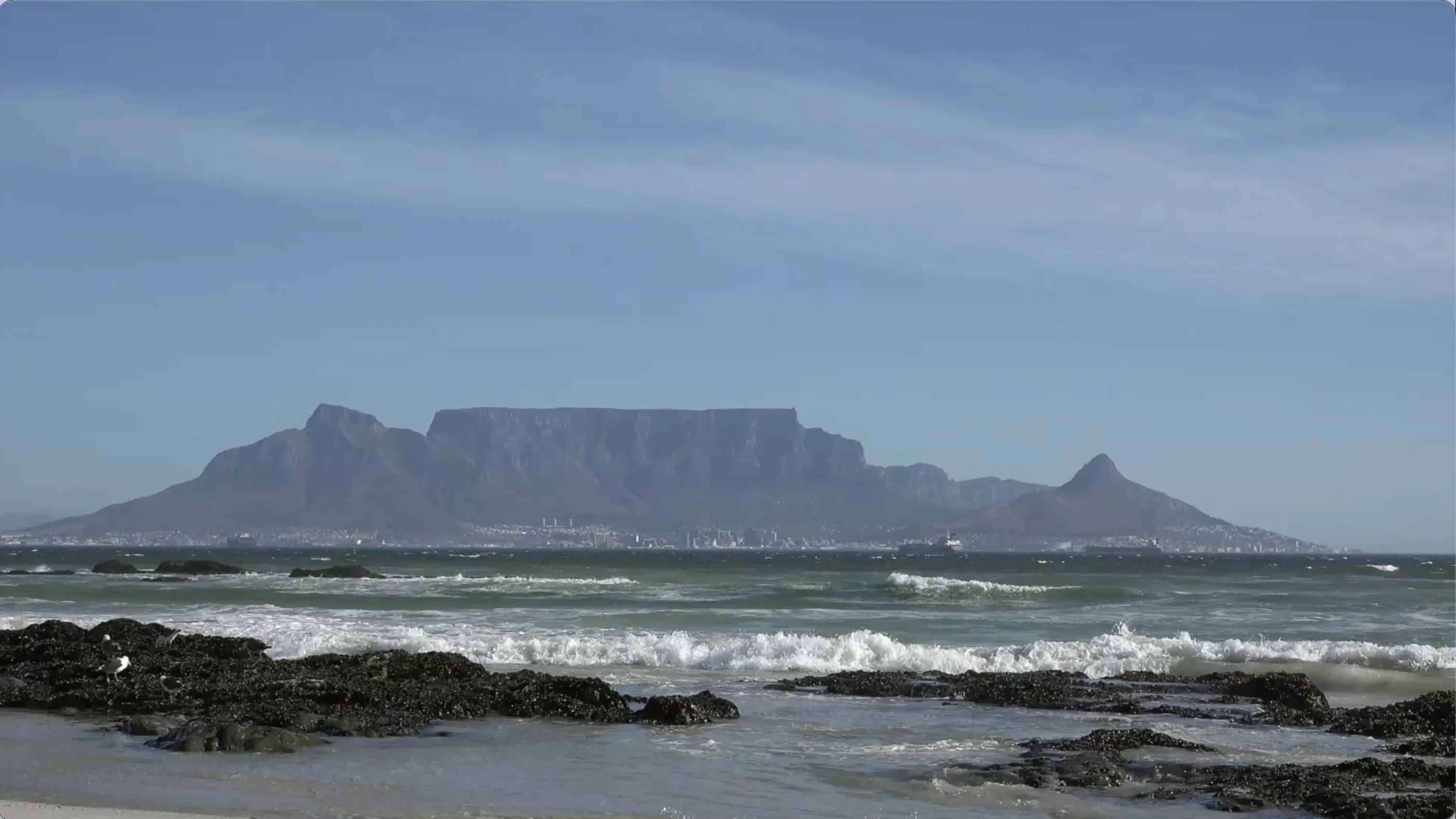


Cape West Coast: where wildflowers meet the Atlantic
South Africa's West Coast at a glance:
Location: Western Cape, South Africa, stretching 400km north from Cape Town along the Atlantic Ocean seaboard | Access from Cape Town: Approximately 20 minutes to the first coastal towns; Langebaan is around 100 km north via the R27 |
Landscape: Atlantic coastline, Ramsar-listed lagoon, fynbos, wine valleys, and arid Namaqualand | Best time to visit: Year-round; wildflower season typically runs late July to October |
Nearest airports: Cape Town International Airport (CPT) | Minimum recommended stay: 3–5 nights to explore more than one town or region |
Currency: South African Rand (ZAR) | Malaria risk: None - the West Coast is a malaria-free region |
Why visit South Africa's West Coast?
South Africa's West Coast defies easy description. Stretching north from Cape Town along the Atlantic Ocean, this 400-kilometre corridor of coastline, farmland, and fynbos is one of the country's most quietly compelling regions, a place where the natural world operates on its own unhurried terms.
In spring, the landscape transforms. Namaqualand daisies and fynbos burst into vivid orange, white, yellow, and purple, drawing visitors from around the world to witness one of nature's most spectacular seasonal displays. The West Coast rewards those who come outside wildflower season: Langebaan Lagoon shimmers turquoise all year round, the Atlantic waves roll cold and grey against wild headlands, and the fishing villages of Paternoster and Velddrif carry their own deep and unhurried character.
This is a region where birdwatching, kite-surfing, cellar-door wine tastings, and slow lunches at open-air seafood restaurants can all fit into the same long weekend. The West Coast National Park protects 40,000 hectares of diverse coastal habitat and 281 bird species, while the Cederberg Mountains rise inland, laced with ancient San rock art. Food, wine, coastal heritage, and natural beauty: the West Coast is not one thing; it is many at once, and that is its enduring appeal.
5 Reasons We Love South Africa's West Coast
Wildflower season carpets the landscape in colour, with Namaqualand and West Coast National Park daisies and fynbos blooming in spectacular abundance from late July to October.
Langebaan Lagoon offers world-class kite-surfing, windsurfing, kayaking, and swimming in calm turquoise waters beloved by water-sports enthusiasts.
West Coast National Park shelters 281 bird species across 40,000 hectares of diverse coastal habitat, from flamingos to penguins.
Charming villages: from the fishing villages of Paternoster, Velddrif and Lambert's Bay, to the inland farming town of Darling, each has its own distinct coastal character and warm hospitality.
The West Coast Wine Route winds through the Olifants River valley, with intimate cellar-door tastings at family farms and celebrated mega-wineries.
All you need to know about South Africa's West Coast
Things to do on South Africa's West Coast
Explore the Langebaan Lagoon by kite-surf, kayak or paddleboard - some of South Africa's finest watersports- with snorkelling and diving offshore.
Walk the wildflower trails of the West Coast National Park and Namaqualand when daisies transform the landscape into vivid colour.
Visit Bird Island at Lambert's Bay, stepping onto an island teeming with Cape gannets directly from the town's traditional working harbour.
Taste award-winning wines at family-run cellars along the West Coast Wine Route, winding through the Olifants River valley to Lambertsbaai.
Hike, mountain bike, or go horse riding in the Cederberg Mountains, discovering ancient San rock art, rock pools, and waterfalls in rugged terrain.
Join a river cruise along the Berg River at Velddrif, or try angling and rock climbing along the dramatic Atlantic coastline and headlands.
What is West Coast food and seafood culture like?
Fresh crayfish, mussels, and line fish are celebrated along the coast, best enjoyed at open-air seafood restaurants overlooking the Atlantic Ocean.
Bokkom, salted, sun-dried harder (southern mullet) in Velddrif, is the West Coast's most iconic culinary tradition.
Farm stalls and roadside markets offer seasonal produce, olives, Rooibos tea, and handmade preserves grown in the fertile West Coast interior.
Seafood braai culture runs deep here; an outdoor fire and fresh catch from the sea is the West Coast's most authentic and time-honoured shared meal.
Darling Brew in Darling produces award-winning craft beer in a laid-back setting that pairs well with the town's art studios and local character.
Wine tasting at family-run cellars along the Olifants River valley rounds out a food and drink trail that stretches the full length of the coast.
Where to stay on the West Coast
The Farmhouse Hotel in Langebaan is a character-filled historic farmstead on the Langebaan Lagoon, focused on authentic West Coast hospitality. La Petite Maison Restaurant on-site offers a French-influenced approach to local produce, with lagoon views throughout.
Duinepos Chalets lies in West Coast National Park, giving guests the privilege of waking inside the reserve to birdsong before breakfast, with fynbos on the doorstep.
At Strandloper Ocean Boutique Hotel in Paternoster, the raw Atlantic provides the backdrop. The same operator manages a property at Cape Columbine, extending the experience along this dramatic coast.
Kaijaiki Country Inn in Yzerfontein offers intimate coastal accommodation in a village prized for unspoilt beaches.
Darling Lodge Guest House draws travellers into one of the coast's most culturally rich towns - home to art studios, craft beer at Darling Brew, and a flourishing local wine district.
North of Langebaan, Grootvlei Guest Farm near Lambert's Bay pairs a farm setting with access to Bird Island Nature Reserve and the region's celebrated seafood.
Laaiplek Hotel in Velddrif positions guests at the Berg River estuary with reed beds, bokkom racks, and fishing boats at anchor.
Further north, Letsatsi Lodge opens the door to the Namaqua West Coast: spring flower carpets, the Knersvlakte, and the wide landscapes of Namaqualand.
The Flower Route
The flower season of the West Coast is one of nature's most unpredictable spectacles. Beginning at the end of July and extending into October, timing and quality depend entirely on winter rainfall and prevailing winds. Warm easterly winds shorten the blooms' lifespan, while good winter rains produce vivid carpets of colour across the veld.
The first displays typically appear in the north, the Namaqualand area, with colour spreading southward as the season progresses to West Coast National Park. To see the flowers at their finest, we recommend viewing between 11h00 and 15h00, as flowers turn their faces towards the sun; position yourself with the sun behind you. It is illegal to remove plants, bulbs, or flowers from the veld. The flower season follows no set schedule - that beautiful unpredictability is precisely what makes it so extraordinary to witness each year.
The West Coast Wine Route
Wine on the West Coast is an age-old tradition: its first recorded purchase dates to the 18th century, when French explorer Francois le Vaillant bought provisions from a widow Van Zeijl. Today, the West Coast Wine Route runs along the broad Olifants River valley, incorporating the Lambert's Bay coastal area and the high-altitude ward of Piekenierskloof, where cooler temperatures encourage quality viticulture.
The route stretches from Trawal in the south to the Olifants River mouth in the north, passing through Klawer, Vredendal, Lutzville, and Doringbaai. Sea-influenced conditions produce slow-ripening grapes of genuine quality. West Coast wines earn consistent medals locally and internationally, and most wineries welcome visitors for cellar-door tastings. The route is well-marked and easy to follow, rewarding for those who prefer intimate family farms to grand wine estates.
West Coast National Park
West Coast National Park lies just inland from Saldanha Bay, centred on the azure Langebaan Lagoon. Covering 40,000 hectares of dune fields, salt marshes, coastal fynbos, and open water, the park is renowned for birdwatching, with 281 species recorded. Penguins, flamingos, black harriers, African oystercatchers, and the Cape gannet all occur within or adjacent to the park.
The Langebaan Lagoon is a Ramsar-designated wetland of international importance, protected for its concentrations of waterbirds and migratory waders. The Postberg section opens seasonally during wildflower season, adding floral displays inside the park. The West Coast Fossil Park nearby offers an encounter with early Pliocene fossils at an active excavation site.
Visit our West Coast National Park page for more information →
Towns and places on the West Coast
The West Coast is defined as much by its towns as by its coastline; each has its own distinct tempo and identity.
West Coast National Park anchors the southern coast. Its 40,000-hectare reserve encloses the Langebaan Lagoon and offers outstanding birdwatching and wildflower experiences.
Langebaan, the gateway town to the national park, sits on a turquoise lagoon that has made it a premier water-sports destination. Home to the world's largest known oyster shell deposits, the town also offers a Country Club, golf course, restaurants, and a yacht club.
Paternoster is the coast's most evocative village: whitewashed fishermen's cottages facing the open Atlantic. Quiet, deeply rooted in the sea, and resistant to hurry.
Yzerfontein is a secluded village treasured for unspoilt beaches and a relaxed pace, making it a natural first stop on a northbound road trip from Cape Town.
Darling has a vivid cultural personality: art studios, the famous Evita se Perron cabaret venue, award-winning craft beer at Darling Brew, and its own wine district.
Lambert's Bay is defined by its working harbour. A breakwater walk leads to Bird Island Nature Reserve - one of the world's most accessible Cape gannet colonies - and the town is celebrated for fresh, local seafood.
Velddrif sits at the mouth of the Berg River. Famous for its bokkom (dried salted fish), the town offers river cruises and exceptional birdwatching in the reed beds.
Cape Columbine is a remote lighthouse headland of rocky coves and dramatic scenery.
Namaqua West Coast is the region's northernmost expression: rocky coastlines, hidden bays, extraordinary arid landscapes, and legendary spring flower carpets.
Clanwilliam sits at the foot of the Cederberg Mountains, on the Olifants River, where the Cape West Coast gives way to sandstone mountains. Rooibos country: hot summers, flower-season spring, a dam, citrus and a small historic town of white gables and wide streets. Gateway to rock art, hiking and the Pakhuis Pass.
The Cedarberg Mountains is a sandstone wilderness inland of the West Coast: red-orange cliffs, caves, fynbos and the Olifants River valley. Famous for San rock art, Wolfberg Cracks and Arch, Stadsaal, snow in rare winters, and rooibos on the lower slopes. Wilder and higher than most of the West Coast, popular with hikers and wilderness-seekers.
Trusted by thousands of ecstatic travellers
✔️ 5-Star Trustpilot Rating ✔️ Condé Nast Travel Specialist Award Winner
✔️ Accredited by SATSA ✔️ 5,000+ Exceptional Safaris Since 1991
Why choose Africa Geographic to plan your safari?

"...We’ve just arrived back this morning in UK from the most amazing time in SA and all thanks to you! We all want to let you know how much we have enjoyed our trip...a huge thank you for your help and expertise in arranging and putting the whole trip together, we couldn’t have done it without you and your advice and patience turned out to be invaluable, so we’re all very grateful."

"There are a lot of choices to make in planning a safari. Africa Geographic put together a trip for me that gave me the experience I was looking for in a way that I would not have been able to do on my own. I’ve been dreaming about this trip for years, and the reality was even better than I could imagine...work with Africa Geographic to create your perfect trip."

"The assistance, support, knowledge, information and time provided by...Africa Geographic was nothing short of incredible...I was planning a trip from Australia for our entire family of 16...The final itinerary that we were able to download on our phones was excellent...We would certainly highly recommend...Africa Geographic to any one who is looking for...support for their holiday needs."
Wish you were here?
Frequently asked questions
The West Coast rewards visitors year-round. Wildflower season - typically late July to October - draws the largest crowds, with the finest blooms weather-dependent. Summer brings warm temperatures and excellent water-sports conditions on the Langebaan Lagoon. Spring and early summer are best for birdwatching in the national park.
Self-driving is the ideal way to explore the West Coast. The R27 national road follows the coast northward from Cape Town, connecting all the major towns and reserves. Six themed self-drive routes are available, covering the Culture, Foodie, Tractor, Berg, and Wild routes, among others.
The first coastal towns are approximately 20 minutes from Cape Town. Langebaan is around 100 km north via the R27. Paternoster is roughly 150 km, while Lambert's Bay is approximately 250 km north. The Namaqua West Coast region extends considerably further.
Yes. The Western Cape, including the entire West Coast, is a malaria-free region. No prophylaxis is required.
Wildflower season typically runs from the end of July through to October, though the precise timing, location, and quality of the blooms depend on winter rainfall patterns and prevailing winds. The first displays generally appear in the north and spread southward as the season progresses. Viewing is best between 11h00 and 15h00, with the sun behind you.
Langebaan Lagoon is one of South Africa's most celebrated water-sports destinations. Activities include kite-surfing, windsurfing, yachting, kayaking, canoeing, water-skiing, jet-skiing, and swimming. The sheltered lagoon waters are warm, calm, and well-suited to both experienced water-sports enthusiasts and beginners.
Bird Island Nature Reserve at Lambert's Bay is reached by walking along a breakwater from the town's working harbour. The island supports a significant Cape gannet colony and is one of the most accessible seabird sanctuaries on the South African coast.
Bokkom is dried and salted fish - harders (southern mullet) - a traditional West Coast delicacy with deep roots in the fishing communities of Velddrif. It is slow-cured under the eaves of riverside homes along the Berg River and is considered one of the region's most distinctive culinary icons.
The Cederberg Mountains are home to klipspringers, grey rhebok, dassies, and honey badgers. The elusive Cape leopard also inhabits this rugged sandstone landscape, along with ancient San rock art that testifies to the region's deep human history.
The Postberg section of West Coast National Park is only open seasonally, typically during wildflower season. The rest of the park, including the Langebaan Lagoon and its birdwatching areas, is accessible year-round.
The West Coast Wine Route runs along the Olifants River valley through the wards of Piekenierskloof, Vredendal, Spruitdrift, Koekenaap, and Bamboes Bay, as well as the Lambert's Bay coastal ward. The cooler, sea-influenced wards closer to the Atlantic are associated with quality slow-ripening grape cultivation.
Yes. The West Coast is well suited to families, with safe lagoon swimming at Langebaan, accessible wildlife experiences at West Coast National Park, the West Coast Fossil Park's active excavation site for young visitors, and a relaxed pace throughout the region.
The Namaqua West Coast is accessible by road via the N7 highway northward from Cape Town, turning off towards the coastal towns. The region's main centre is in Vredendal, approximately 300 km from Cape Town. Self-driving is the most practical way to explore the area.
West Coast accommodation typically costs from R850 per person, per night, depending on the accommodation comfort level and time of year. This price usually includes accommodation but excludes meals, activities and park entry fees.
Click here to schedule a no-obligation call with one of our Safari Experts or fill in our 2-minute form with your questions. Our team of experts are here to help! Whether you’re curious about the best time to travel, want to hear first-hand about an experience or need help planning your safari.
Explore more African destinations
Start planning your dream safari
Our travel experts will craft a no-obligation itinerary just for you. We have crafted over 5,000 safaris since 1991. Your personal details are protected; we only use this information to contact you.
Why book your safari with us?

Deep Experience & Knowledge
Handcrafted experiential safaris since 1991.
Travel in Africa is about knowing when and where to go, and with whom. A few weeks too early/late or a few kilometres off course, and you could miss the greatest show on Earth. And wouldn’t that be a pity?

Trust & Safety

Make A Difference
We donate a portion of the revenue from every safari sold to carefully selected conservation projects that make a significant difference at ground level.
YOUR safari choice does make a difference - thank you!