

Safari experts & storytellers. Since 1991

Trust us to find you the rarest animals, the most spectacular wildlife events, the remotest landscapes and deeply meaningful cultural encounters!
Sabi Sand, Timbavati, MalaMala, Klaserie and Thornybush – what sets each reserve apart
The Greater Kruger is composed of several private game reserves that share an open, unfenced boundary with South Africa's Kruger National Park. The most frequently compared are Sabi Sand, Timbavati, MalaMala, Klaserie, and Thornybush. Each offers Big Five wildlife, expert-guided safari drives, and luxury accommodation, but they differ in size, character, wildlife strengths, degree of exclusivity, and nightly cost. Understanding those differences is the key to choosing the right reserve – and the right lodge – for your trip; though consulting a safari expert is the most seamless way to tailor a trip to your needs and interests.
At a glance – reserve comparison
Reserve | Size | Known for | Wildlife highlight | Exclusivity | Best for |
Sabi Sand | ~65,000 ha | Leopard sightings; iconic lodges | Leopard – most reliable in Africa, rhinos | High – no public access | Luxury, first-timers, photographers |
MalaMala | ~13,300 ha | Big 5 frequency; Sand River frontage | Leopard & lion on the Sand River, rhinos | Very high – single-use concession | Discerning travellers, honeymoons |
Timbavati | ~53,000 ha | White lions; conservation focus | White lions; wild dog & elephant | Very high – off-road, no vehicle limits | Conservation-minded, photographers, families |
Klaserie | ~60,000 ha | Remote, raw wilderness; lower density | Elephant; wild dog | Extremely high – very few lodges | Off-grid, budget-conscious luxury, repeat visitors |
Thornybush | ~14,000 ha | Compact; good Big 5 consistency | Big 5 in a smaller area | High – limited lodges | Shorter stays, families, first-timers |
What is Greater Kruger?
Greater Kruger refers to the network of private game reserves on the western and southern boundaries of Kruger National Park in Limpopo and Mpumalanga, South Africa. Because there are no fences between these reserves and the national park, wildlife moves freely across the entire ecosystem – which covers over 2 million hectares, comparable in size to Belgium.
This free movement of animals is what gives Greater Kruger its extraordinary wildlife density. The private reserves benefit from Kruger's vast wild lands as a source population, while the national park benefits from the conservation management and anti-poaching programmes that the reserves fund through tourism revenue.
Within this ecosystem, each private reserve operates independently. They set their own rules on off-road driving, vehicle numbers at sightings, and visitor access. Those rules – more than anything else – determine the quality and exclusivity of the safari experience.
Safaris we love
Mashatu and MalaMala Big 5 safari: Combines MalaMala's legendary Sand River Big Five wildlife with Mashatu in the Northern Tuli Block of Botswana – two of Africa's premier leopard locations in one journey. Includes scenic flights, cable car river crossings, and giant baobab landscapes. View this safari
Three countries, one safari – Timbavati, Victoria Falls and Chobe: Pairs a Big Five Timbavati stay with Victoria Falls and a Chobe River cruise in Botswana. An excellent three-country itinerary for travellers who want more than one iconic African experience on a single trip. Explore this safari
A classic introduction to Greater Kruger's Big Five: Africa Geographic's recommended introduction to Greater Kruger's Big Five, designed for first-time visitors who want reliable wildlife encounters in a well-managed private reserve setting. Find out more
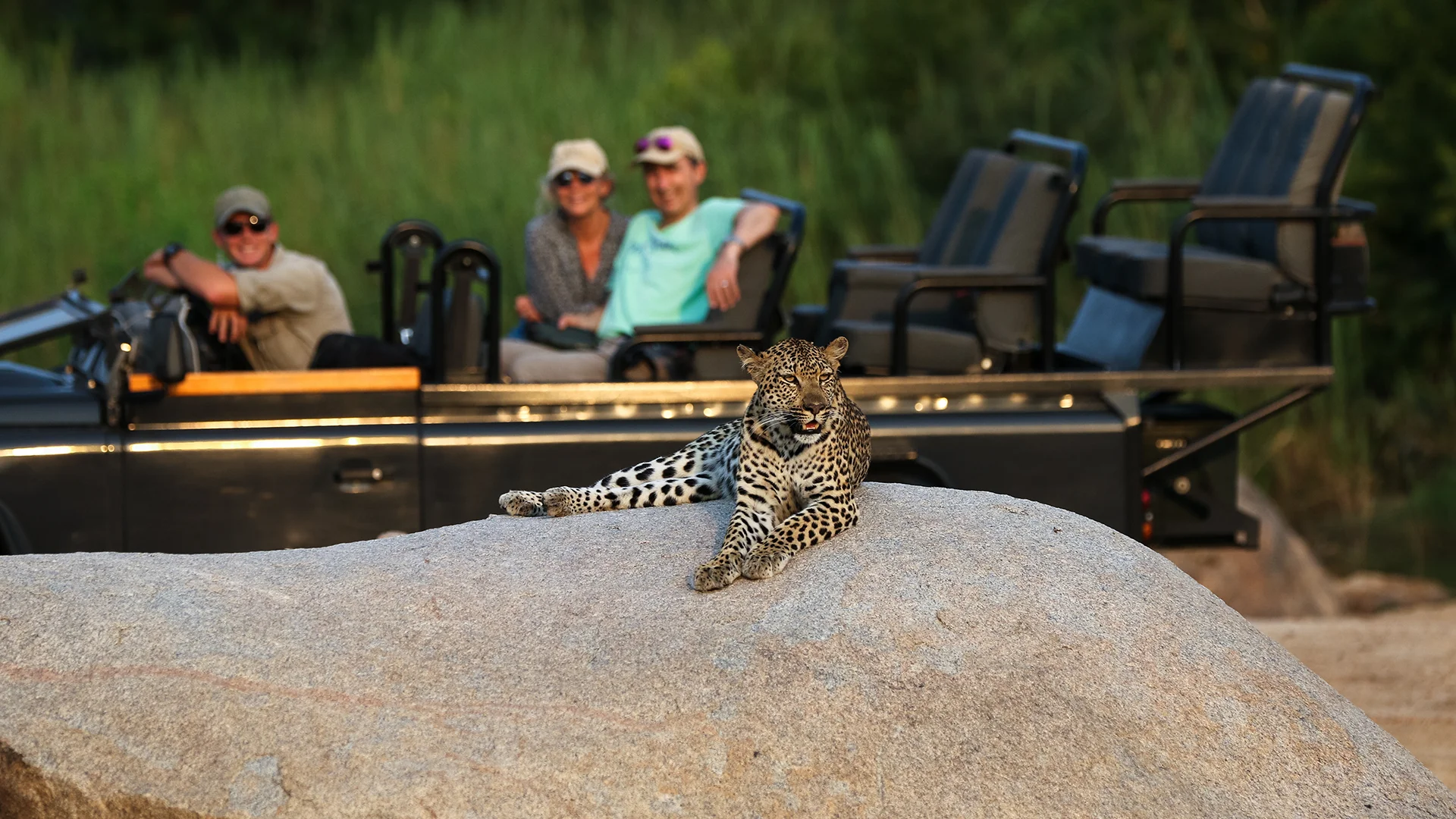
Sabi Sand – Africa's leopard capital
Sabi Sand (also known as Sabi Sands) is the most recognised of Greater Kruger's private reserves and one of the most celebrated safari destinations in Africa. At approximately 65,000 hectares, it encompasses some of the richest wildlife habitat along the Sand and Sabi Rivers. Sabi Sand sits directly adjacent to Kruger's southwestern boundary.
Wildlife and what to expect
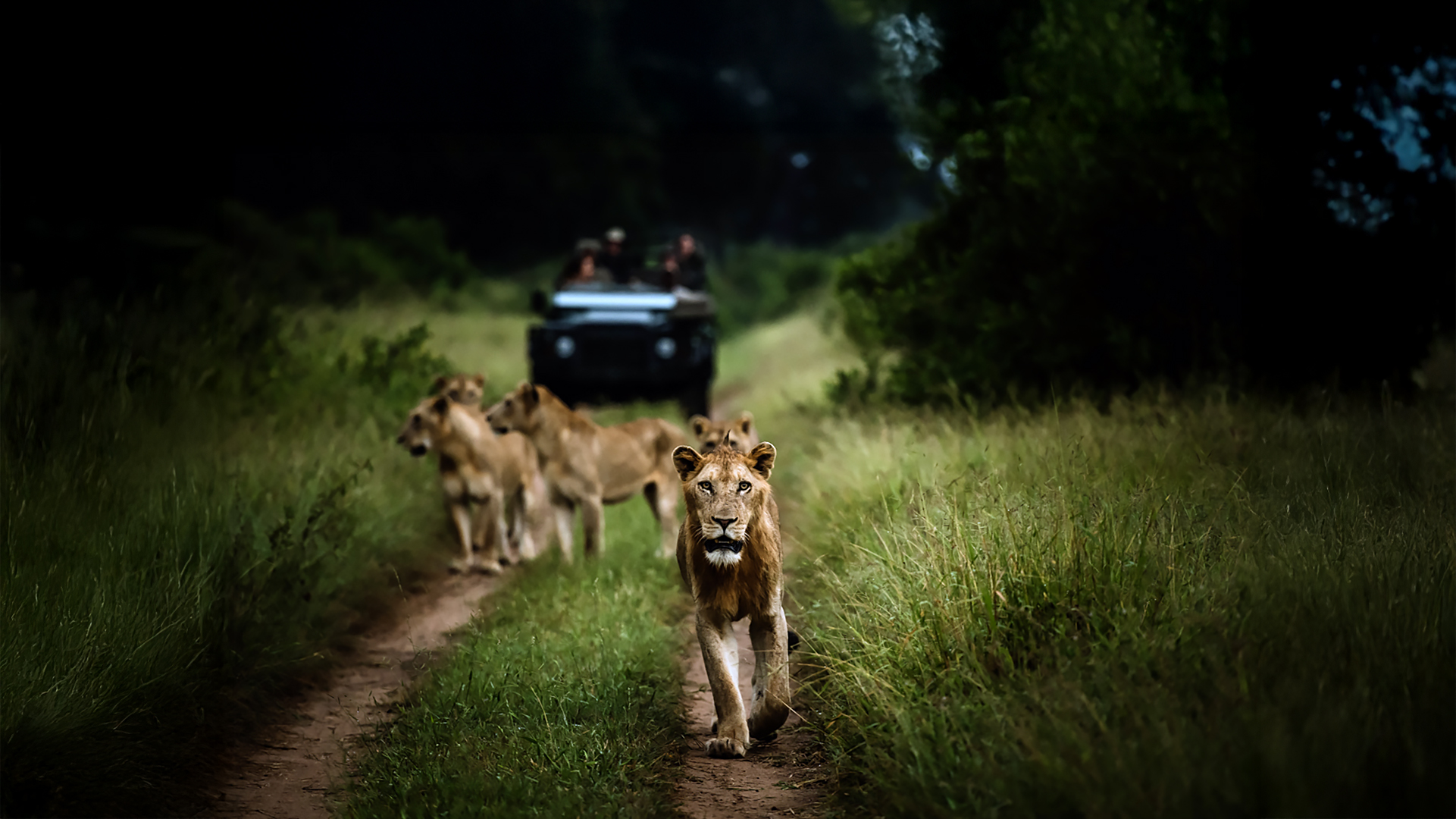
Sabi Sand is famous above all else for leopards. Decades of consistent, non-threatening vehicle presence have produced leopard populations that are exceptionally relaxed around safari vehicles. On a multi-day stay, a close encounter with a leopard is not a matter of luck – it is expected. The reserve also holds excellent numbers of lion, elephant, buffalo, and rhino, making consistent Big Five sightings the norm rather than the exception.
Wild dog sightings occur seasonally and are always considered a bonus. The Sand River and Sabi River corridors provide outstanding riverine wildlife viewing, particularly for elephant and buffalo herds. Hippo and crocodile are resident.
Exclusivity and access
Sabi Sand has no public access gate. Entry is only possible as a guest of one of the reserve's lodges, which means all vehicles on the road are guided, and the vehicle-to-wildlife ratio is tightly managed. Most lodges limit sightings to a small number of vehicles at a time. Off-road driving and night drives are permitted throughout the reserve.
Lodges and pricing
Sabi Sand has some of the highest prices in the Greater Kruger. Lodges range from approximately US$1,000 to over US$3,000 per person per night sharing, with the most exclusive private-suite properties at the upper end. The reserve is home to several of the most recognised lodge brands in Africa, including Londolozi, Singita, Sabi Sabi, Lion Sands, and &Beyond.
"I started my guiding career at what is now Lion Sands River Lodge, a place I consider one of Africa's most consistently productive wildlife areas, with exceptional wildlife viewing year-round,” says Stefan Winterboer, AG luxury safari expert.
Known for
Sabi Sand suits first-time safari-goers who want reliable Big Five encounters, couples and honeymooners seeking intimate river-facing lodges, and photographers who need relaxed wildlife at close range. It is also the natural choice for travellers who want the assurance of a known, proven destination.
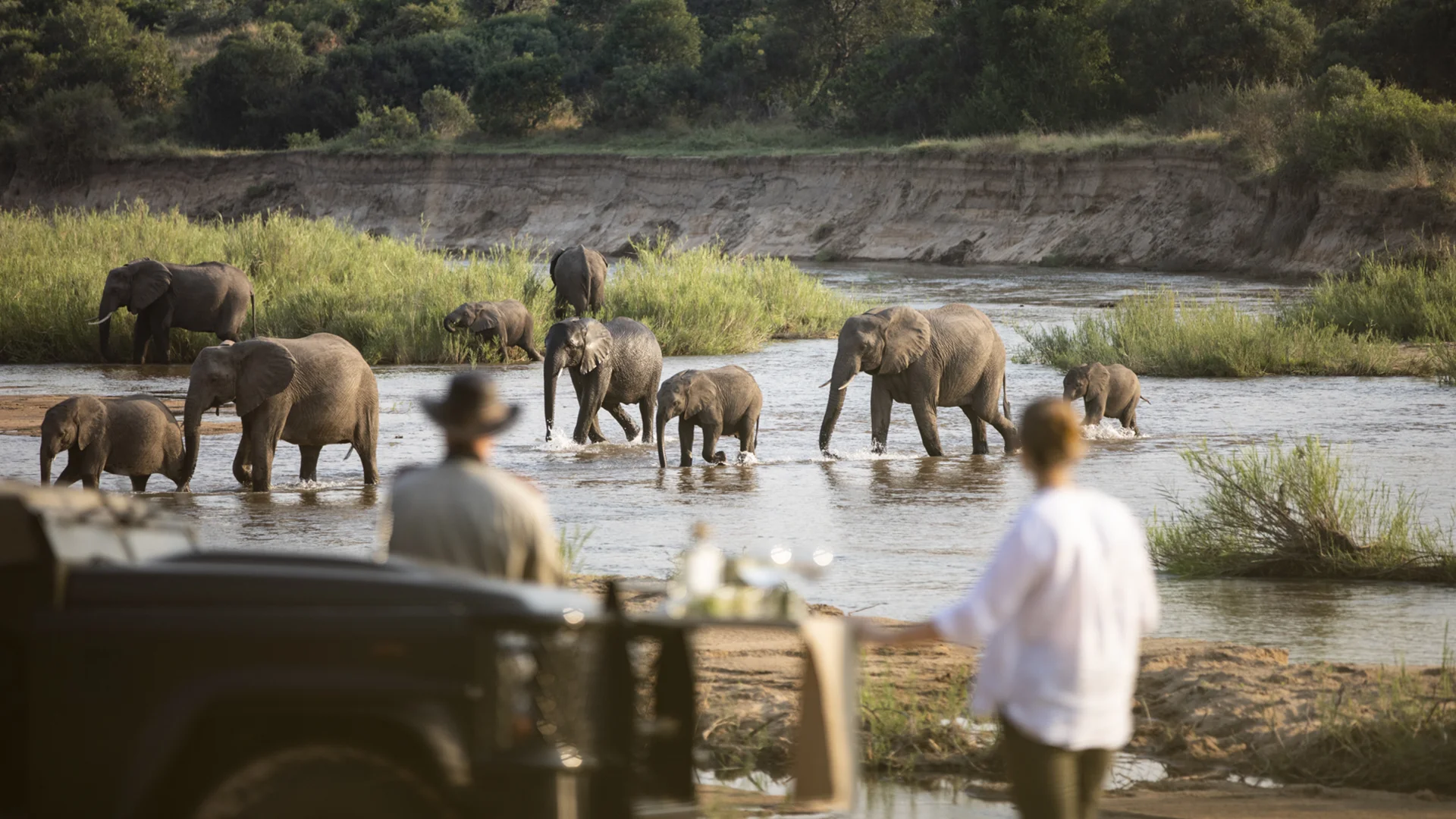
MalaMala – exclusive Sand River frontage
MalaMala forms part of the Greater Kruger ecosystem and borders both Kruger National Park and Sabi Sand. Although it is often discussed alongside Sabi Sand because of its exceptional wildlife viewing and shared ecological landscape, it operates independently under its own management and policies.
Wildlife and what sets it apart
MalaMala's ownership of such an extensive stretch of the Sand River gives it an advantage in wildlife sightings. Permanent water consistently draws animals, and the riverine habitat supports abundant predator activity. The reserve has been operating as a photographic safari destination since 1964, which means its wildlife is extraordinarily habituated to vehicles. Leopard, lion, elephant, rhino, and buffalo are all seen regularly, and the guides' knowledge of individual animals – built over decades – translates directly into quality sightings.
"At MalaMala I found the perfect blend of comfort and wilderness – unfenced with Kruger, leopard sightings around every corner, and effortless Big Five encounters. It felt like a secret safari haven I'll always treasure,” says Luis Gama, AG safari expert.
Exclusivity and experience
MalaMala enforces a strict single-vehicle policy at sightings. No two vehicles from the same lodge, let alone from different lodges, will converge on the same animal simultaneously. This is one of the most exclusive wildlife viewing policies in Greater Kruger and sets MalaMala apart from larger reserves where multiple vehicles can occasionally converge. The operation also maintains its own airstrip, enabling fly-in access from Johannesburg or Cape Town.
Pricing
MalaMala is among the most expensive properties in Greater Kruger, typically ranging from US$1,500 to over US$4,000 per person per night sharing. The premium reflects both the single-vehicle sighting policy and the reserve's 60-plus years of guiding excellence.
"You couldn't ask for a stronger Big 5 safari pairing: exceptional wildlife viewing, outstanding guiding, warm, polished hospitality, and beautiful accommodation. MalaMala and Madikwe Hills together deliver a complete, world-class safari experience,” says Stefan Winterboer, AG luxury safari expert.
Ideal for
MalaMala suits travellers who prioritise undivided exclusivity at sightings, those celebrating milestones such as honeymoons or significant anniversaries, and anyone who has already done a standard Greater Kruger trip and wants the definitive upgrade. It is not the most cost-efficient starting point for a first safari, but it may well become the standard against which all future safaris are measured.
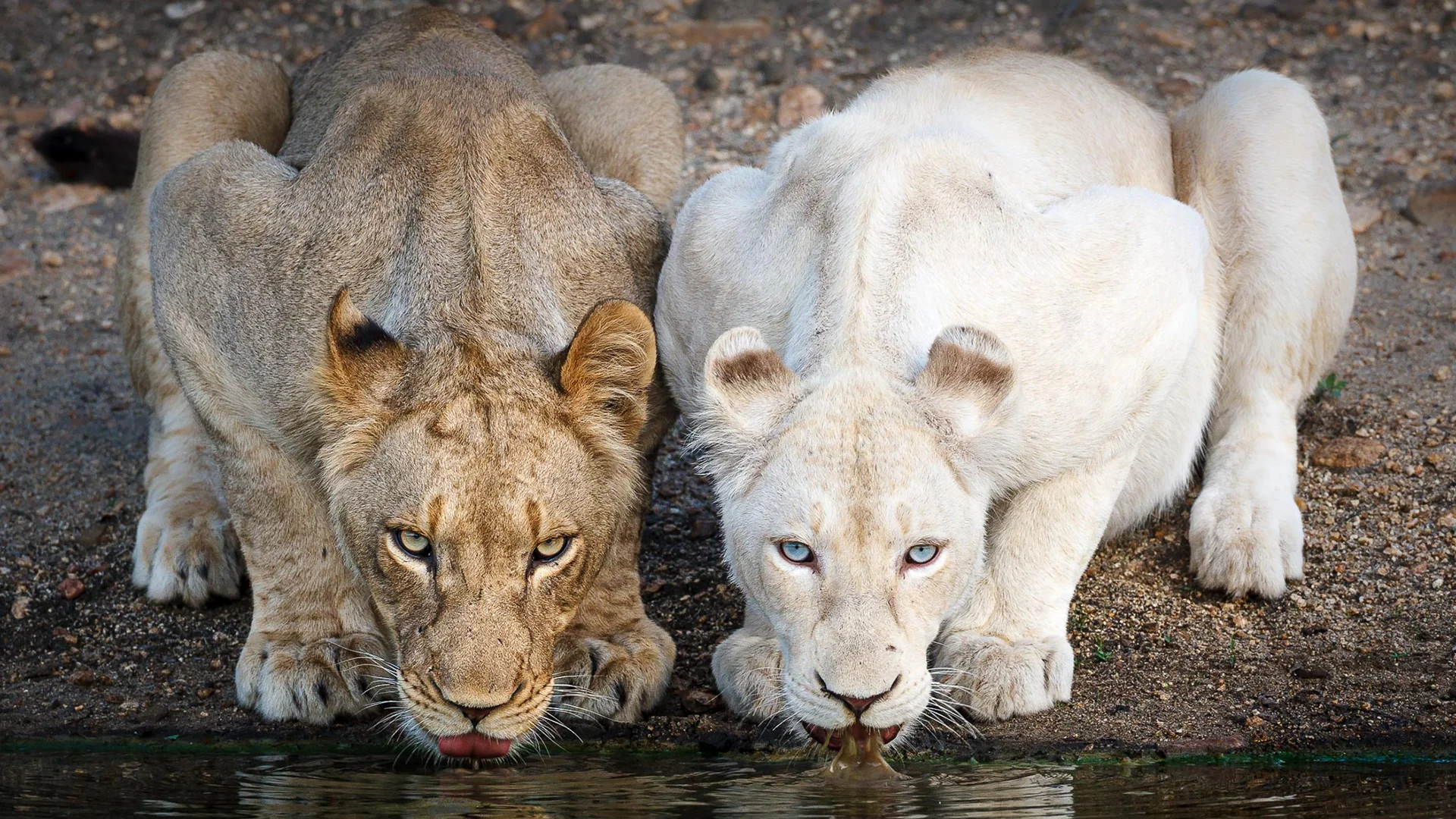
Timbavati – conservation, white lions, and open wilderness
Timbavati is one of Greater Kruger's largest private reserves at approximately 53,000 hectares, stretching along Kruger's western boundary in Limpopo. It is less widely marketed than Sabi Sand but holds its own among experienced safari travellers for the quality of its wildlife and the depth of its conservation credentials.
Wildlife in Timbavati
Timbavati is the historical home of the white lion – a leucistic colour variant of the African lion first documented in the reserve in the 1970s. White lions are not albino; they carry a recessive gene that inhibits normal pigmentation. Sightings are not guaranteed, but they are more likely in Timbavati than anywhere else on the continent. "For me, choosing the Timbavati means backing hands-on conservation and community work. Eco-tourism directly funds anti-poaching and sustainability projects that protect rhinos, pangolins, and Southern Ground Hornbills – making it a meaningful safari choice,” says Sarah Goodman, Africa Geographic Community Manager.
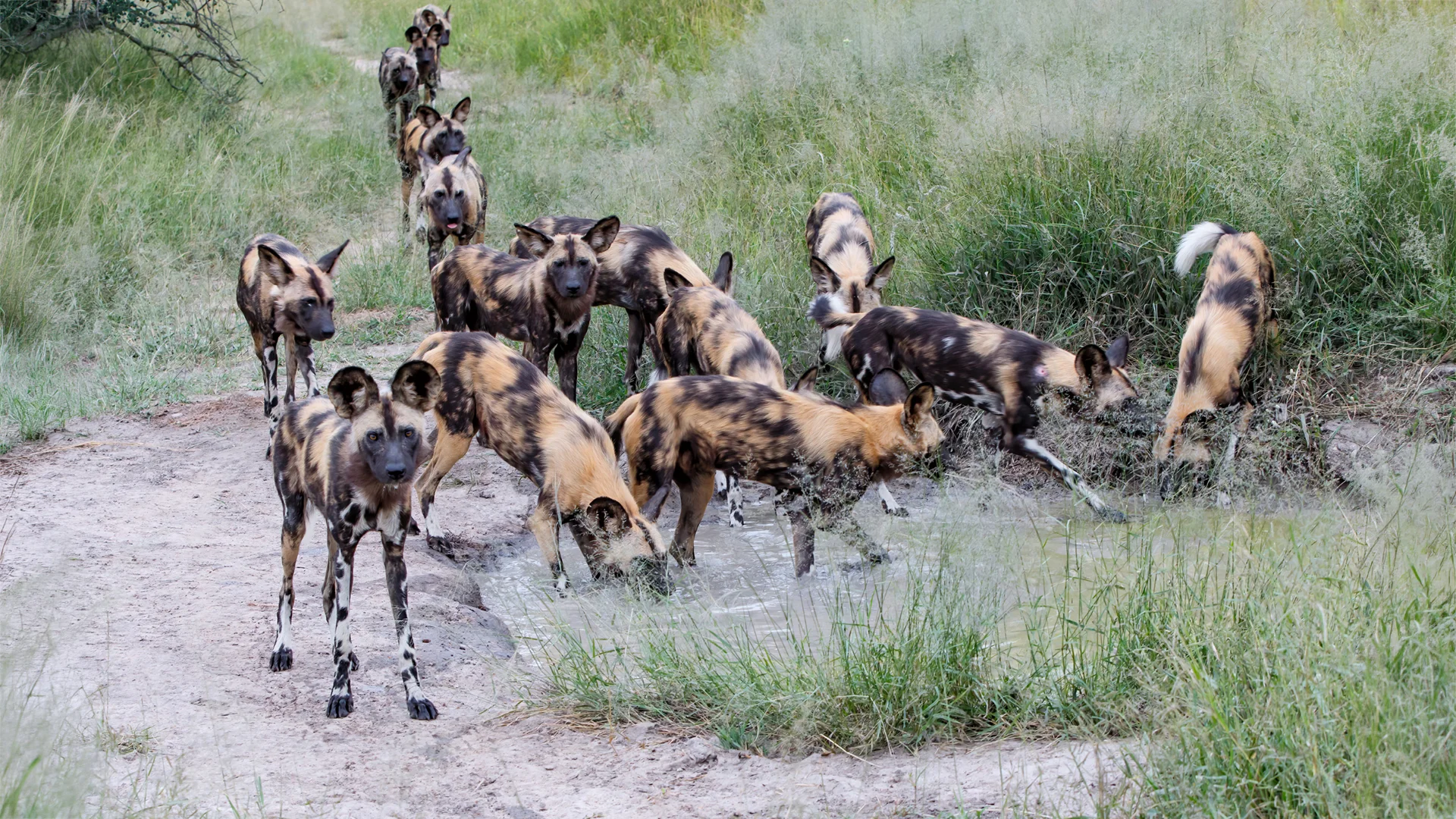
Beyond the white lion, Timbavati holds strong populations of elephant – and the herds here tend to be large. Wild dog sightings are more frequent than in Sabi Sand, partly because the reserve's size and vegetation structure suit their hunting requirements. The reserve also receives fewer overall visitors than Sabi Sand, which translates to less vehicle pressure at sightings.
Off-road access and vehicle policy
Off-road driving and night drives are permitted throughout much of Timbavati where appropriate, giving guides considerable flexibility. There is also no reserve-wide fixed limit on vehicles at sightings; guides coordinate closely, and individual lodges generally keep numbers low. This flexibility, combined with the reserve's lower overall lodge density, means sightings often involve just one or two vehicles. The terrain is more open than parts of Sabi Sand, which suits photography.
Conservation and community contribution
"The first stop was Tanda Tula, and as usual, the wildlife viewing was excellent. Great sightings of lions bringing down a buffalo, rhino and calf, leopards, and the first sighting of a harrier hawk attempting to break into a hornbill nest in a tree trunk, to name a few. Looking forward to the next visit,” describes Roger Whittle, repeat AG guest (UK). A portion of every bed night in Timbavati contributes directly to the Timbavati Private Nature Reserve's conservation fund, which finances anti-poaching operations, community upliftment programmes, and wildlife monitoring. The reserve has been a leader in rhino conservation and pangolin protection, and it houses one of the most active ground hornbill monitoring programmes in South Africa.
Pricing and lodges
Timbavati generally offers a wider pricing range than Sabi Sand. Well-known lodges include Tanda Tula, Umlani Bushcamp, and Kings Camp, with several smaller owner-operated properties offering a more intimate experience at mid-range prices.
Great for
Timbavati suits conservation-minded travellers who want their safari to contribute directly to meaningful wildlife work, wildlife photographers who want off-road flexibility and lower vehicle pressure, and families with older children (8+). It is also the right choice for anyone who wants a longer-stay safari that goes beyond standard Big Five ticking into a deeper understanding of the ecosystem.
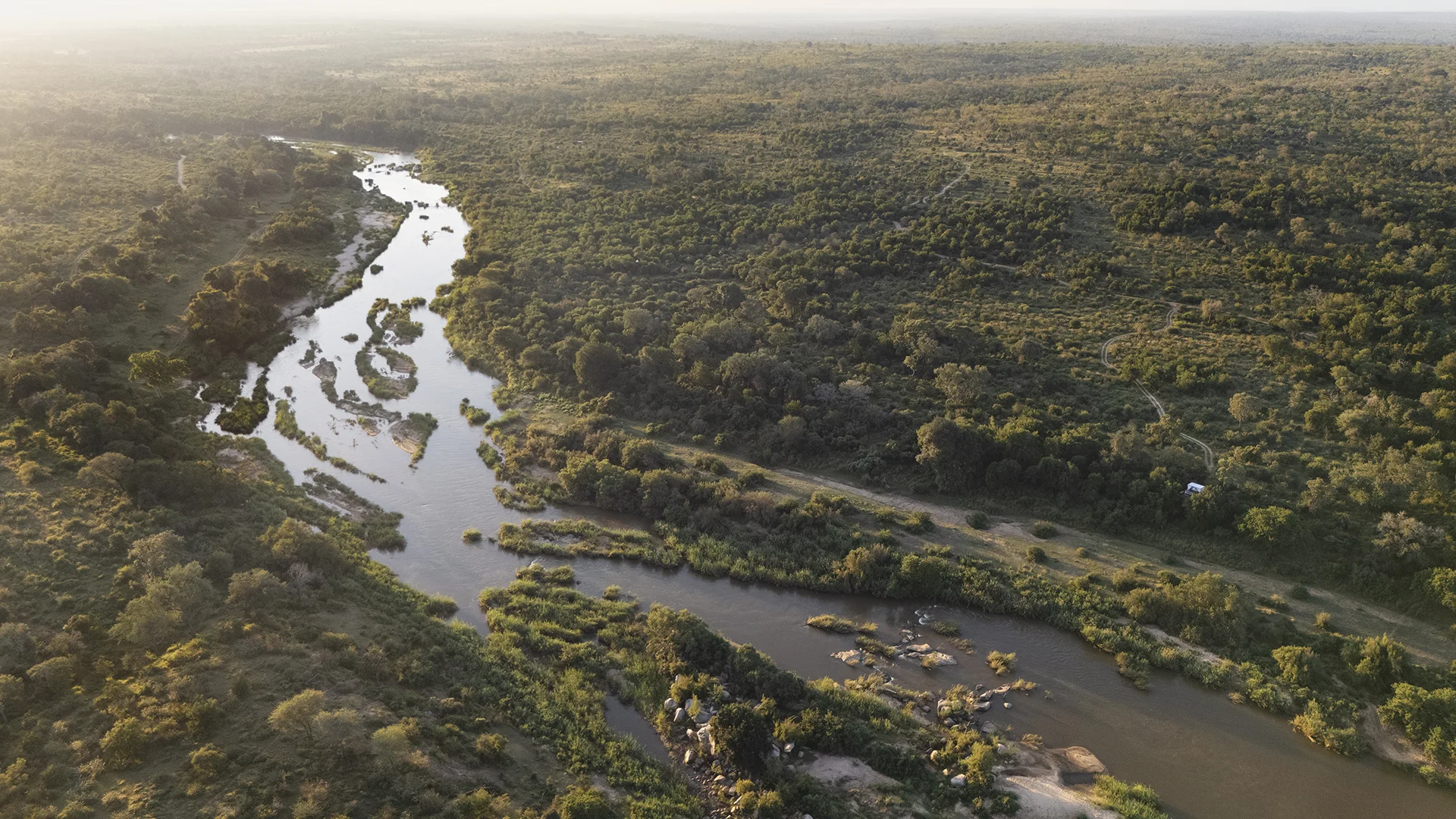
Klaserie – remote wilderness at lower density
The Klaserie Private Nature Reserve lies to the north of Timbavati and shares a border with Kruger National Park. At approximately 60,000 hectares, it is one of the largest private reserves in Greater Kruger but carries only a small number of lodges relative to its size. That low lodge-to-land ratio translates into a sense of genuine remoteness that is harder to find in the more marketed reserves to the south.
Wildlife character
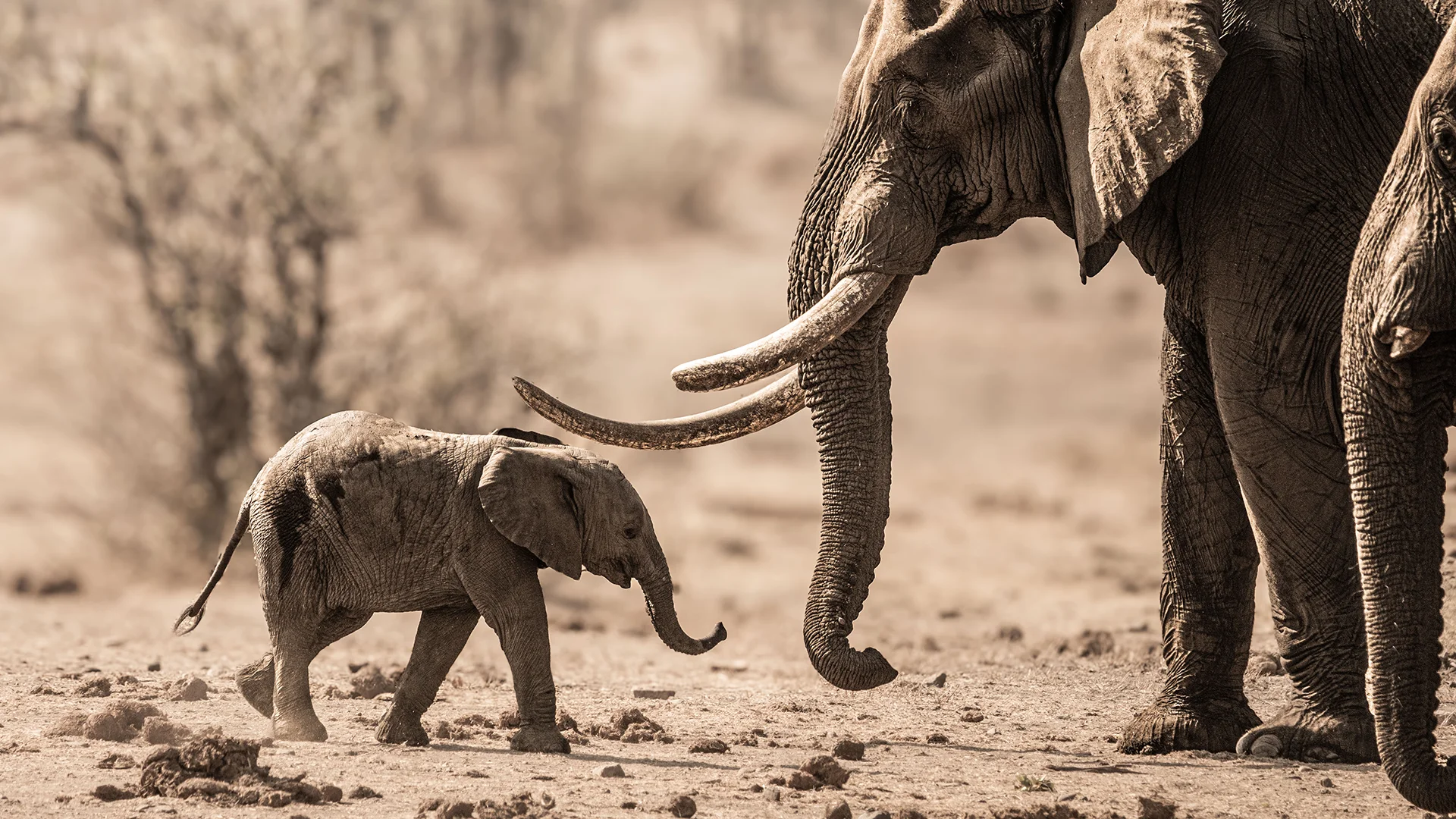
Klaserie is not promoted primarily on leopard sightings – it simply doesn't carry the same density of habituated leopards as Sabi Sand or MalaMala. What it does offer is outstanding elephant activity, a healthy wild dog population, and the kind of unscripted, low-footprint wildlife encounter that experienced travellers often prefer over a guaranteed sighting list. The terrain is more varied than Sabi Sand, with dense riverine forest, open mopane woodland, and rocky drainage lines providing diverse habitats.
Exclusivity and pricing
Because Klaserie has so few lodges, many of which are owner-operated, the reserve sees very low vehicle density. Sightings shared with other vehicles are uncommon. This extreme exclusivity comes at a comparatively lower price than Sabi Sand or MalaMala, making Klaserie an attractive option for travellers who want a premium but not highest-end experience.
Best suited to
Klaserie suits experienced safari travellers who have done Sabi Sand or Timbavati and want something rawer and quieter. It also suits those working within a slightly tighter budget who still want a genuine private reserve experience. It is not the obvious starting point for first-time visitors who want guaranteed Big Five frequency.
Thornybush – compact Big Five consistency
Thornybush Game Reserve is the smallest of the five reserves covered in this guide, at approximately 14,000 hectares. It lies on the western boundary of Kruger, adjacent to Timbavati, and offers reliable Big Five wildlife viewing in a well-managed, compact setting. Thornybush is often chosen by travellers who want a shorter stay – two or three nights – without compromising on wildlife quality or guiding standards.
Wildlife and terrain
Thornybush does not have a specific wildlife specialism in the way that Sabi Sand has leopards or Timbavati has white lions, but its compact size means that wildlife is efficiently accessible. Big Five sightings on a two-night stay are highly probable. The terrain mixes savannah, bushveld, and riverine areas, and the reserve is home to several well-regarded lodge operations including Royal Malewane, regarded as one of the finest safari properties in South Africa.
Pricing and access
Thornybush lodges are easily accessible by road from the R40 near Hoedspruit, which also has a commercial airport (Hoedspruit Eastgate Airport, IATA: HDS) with scheduled flights from Johannesburg. This makes it convenient for short add-on stays combined with a longer southern African itinerary.
Best for
Thornybush suits families, travellers on a shorter itinerary, and those combining a Kruger private reserve stay with Cape Town, the Garden Route, or Victoria Falls. It is also a practical choice for first-timers who want a contained, well-guided introduction to the Greater Kruger ecosystem.
Which reserve suits which traveller?
Traveller type | Recommended reserve |
First-time safari-goer | Sabi Sand or Thornybush – reliable Big 5 frequency, polished guiding, strong lodge infrastructure |
Honeymoon | MalaMala or Sabi Sand – riverside settings, intimate lodges, high leopard frequency |
Wildlife photographer | Timbavati or Sabi Sand – relaxed leopard behaviour, flexible off-road access, low vehicle pressure at sightings |
Conservation-minded traveller | Timbavati – directly funds anti-poaching, community projects, pangolin and rhino programmes |
Family with children (8+) | Thornybush or Timbavati – child-friendly lodges, walking interpretive activities, open terrain |
Repeat visitor wanting remoteness | Klaserie – very few lodges, raw wilderness, strong elephant and wild dog presence |
Budget-conscious luxury | Klaserie or Thornybush – lower nightly rates without compromising wildlife quality |
Wish you were here?
Frequently asked questions
No. Sabi Sand is a private game reserve that shares an open, unfenced border with Kruger National Park but operates independently. There is no public gate access to Sabi Sand – you must stay at one of its lodges. Wildlife moves freely between Sabi Sand and Kruger, which is why the reserve's Big Five sightings are so consistent. Kruger National Park allows self-drive access through its own gate system and public rest camps.
MalaMala is a private property bordering, but not part of, Sabi Sand. It owns and manages its land independently and enforces a strict single-vehicle policy at wildlife sightings – no two game vehicles from MalaMala converge on the same animal at the same time. This is a higher exclusivity standard than most Sabi Sand lodges. MalaMala also has over 60 years of consecutive photographic safari operation, giving its guides exceptional institutional knowledge of individual animals.
White lions have their strongest wild association with the Timbavati region, where the first documented sightings occurred in the 1970s. They are a natural colour variant (leucistic, not albino) produced by a recessive gene. Timbavati is the only Greater Kruger reserve where wild white lions have been consistently recorded. While white lions exist in captivity elsewhere and in a small number of other locations, Timbavati remains the primary destination for travellers specifically seeking them in a wild context. White lions are also often spotted in the Orpen area of Kruger National Park, which borders Timbavati.
Klaserie generally offers the lowest nightly rates among Greater Kruger's private reserves. Thornybush is also competitively priced relative to Sabi Sand and MalaMala. However, price should be considered alongside what each reserve offers: Klaserie's lower cost reflects its lower lodge density and less habituated wildlife, not a reduction in quality. Our safari experts can help you match budget to the right reserve without compromising on the experience.
Africa Geographic recommends a minimum of three nights in any private reserve. Two nights is enough for an introductory experience, but three nights allows the rhythm of the safari to establish itself, provides two full days of morning and evening drives, and increases the statistical likelihood of encountering all five of the Big Five. For reserves like Klaserie or Timbavati, where the experience is more about immersion than a checklist, four to five nights is worth considering.
Yes, and Africa Geographic frequently designs itineraries that do exactly that. Sabi Sand and MalaMala are natural pairings for travellers focused on predator viewing. Timbavati and Klaserie suit those who want two different ecosystem experiences in a less commercialised corridor. Most multi-reserve itineraries use light aircraft transfers between reserves to avoid long road drives. Speak to our safari experts for a tailored recommendation.
Walking safaris are available in all Greater Kruger private reserves but are offered at different levels of intensity. Timbavati and Klaserie tend to offer particularly rewarding bush walks given their more open terrain and lower visitor density. MalaMala, Sabi Sand and Thornybush also offer guided walking activities through their lodges. All guided walks in Greater Kruger are conducted by qualified Field Guides Association of Southern Africa (FGASA) rangers and are rated for different experience levels.
Start planning your dream safari
Our travel experts will craft a no-obligation itinerary just for you. We have crafted over 5,000 safaris since 1991. Your personal details are protected; we only use this information to contact you.
Why book your safari with us?

Deep Experience & Knowledge
Handcrafted experiential safaris since 1991.
Travel in Africa is about knowing when and where to go, and with whom. A few weeks too early/late or a few kilometres off course, and you could miss the greatest show on Earth. And wouldn’t that be a pity?

Trust & Safety

Make A Difference
We donate a portion of the revenue from every safari sold to carefully selected conservation projects that make a significant difference at ground level.
YOUR safari choice does make a difference - thank you!