

Safari experts & storytellers. Since 1991


Chobe National Park - safari mecca
Chobe National Park is a vast landscape at the centre of an enormous protected area in the northeastern corner of Botswana, encompassing the safari meccas Chobe Riverfront, Savute, and Linyanti.
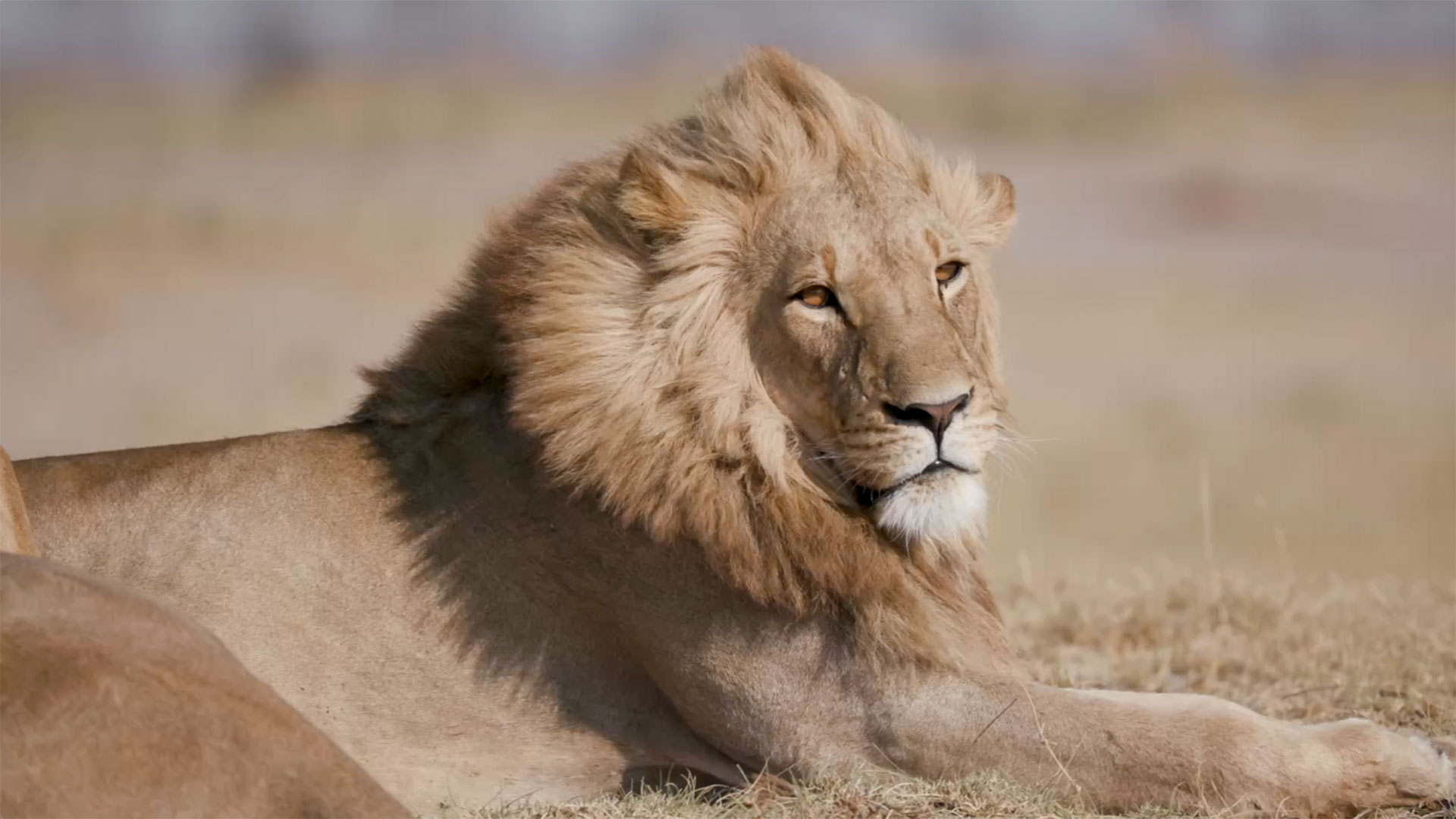
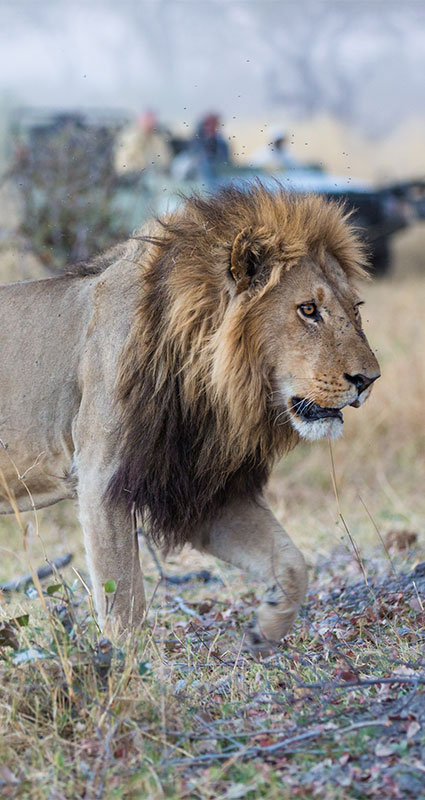
Game drives here are electric. Lions patrol the floodplains, leopards slip through the shadows, and buffalo herds stretch to the horizon. But it’s the river that sets Chobe apart. A sunset boat safari drifts you quietly past hippos, crocodiles, and elephants swimming between islands.
You can expect some of the best wildlife encounters in Africa and a range of exclusive luxury lodges to cater for all tastes. Chobe pairs effortlessly with Victoria Falls, just a short road transfer away, making it one of Africa’s most rewarding safari combinations.
4 things we love about a Chobe safari
Chobe boat safari: imagine drifting silently along the Chobe River as elephants – hundreds of them – come down to drink, bathe, and play just meters away. The river hosts a large population of hippos and huge crocodiles, and lush floodplains attract enormous herds of elephants, buffalo and zebras
Savute predators: enjoy ringside seats in Savute as a pride of lions hunts elephants or clashes with a clan of hyenas
Spectacular game drives: How about being surrounded by a massive herd of thirsty buffalo as they kick up dust in the rush to get to the drying pools of water along the Linyanti River, the only source of water in the area. Head out to find leopard, cheetah, brown hyena, sable, roan, puku and oribi
Zebra migrations: few people realise that Chobe hosts part of the longest mammal migration in Africa: the Chobe-Nxai Pan zebra migration, when about 20,000 Chobe zebras gather in large herds in early November before making a round trip of nearly 1,000km.
Our favourite Chobe safari ideas
All you need to know about Chobe
About Chobe National Park
Chobe National Park is a vast 11,700 km2 (1.2 million hectares) landscape at the centre of an enormous protected area in the northeastern corner of Botswana, encompassing the safari meccas Chobe Riverfront, Linyanti and Savute.
Chobe acts as a vital wildlife link between Botswana, Zimbabwe, Zambia, and Namibia and, for tourists, provides convenient access to these areas.
This sophisticated destination delivers a sensory overload through its contrasting regions. The northeastern Chobe Riverfront provides the deep Chobe River and lush floodplains where massive buffalo and elephant herds gather. In the remote northwest, Linyanti offers pristine marshlands, while the arid western Savute region showcases titanic predator battles. Whether navigating by riverboat or exploring inland clay pans by game-drive vehicle, Chobe is an electrifying, raw adventure.
You can expect some of the best wildlife encounters in Africa and a range of exclusive luxury lodges to cater for all tastes.
What wildlife will I see in Chobe?
Chobe National Park is one of Africa’s most wildlife-rich destinations, best known for its extraordinary elephant population—the largest concentration on the continent. It’s not uncommon to see hundreds of elephants at a time along the Chobe River, especially in the dry season.
The Chobe Riverfront is also one of Africa’s best places to see hippos and large crocodiles, often viewed from boats drifting quietly along the water. These river safaris offer a completely different perspective, with animals coming down to drink, especially in the late afternoon.
Chobe also offers superb sightings of buffalo, often in large herds, as well as predators such as lions, leopards, wild dogs, cheetahs and spotted hyenas. The Savuti region of the park is particularly famous for its predator action, including lion prides known for hunting elephants and buffalo.
Species such as zebra, giraffe, impala, kudu, warthog, waterbuck, and puku are common, while sable and roan antelope can also be found.
Chobe is part of the longest mammal migration in Africa, with about 20,000 zebras migrating over 1,000m every year from the Chobe River during the dry months of June to early November, and Nxai Pan during the rainy months.
Chobe lodges and camps
Chobe National Park offers some of the finest luxury lodges and safari camps in Africa, courtesy of Botswana's low-volume, high-value tourism strategy. Most lodges inside the national park are tented, to abide by strict eco-footprint requirements, but the definition of 'tented' has been stretched to include a mix of canvas, glass, aluminium, stone and wood structures. Expect more traditional thatched brick-and-mortar structures outside the national park.
Every property we select for your handcrafted journey meets our exacting standards for comfort, character, and service. Just as importantly, each option is deeply committed to our quest to empower you to make a difference for wildlife conservation, local community upliftment, and the preservation of the extraordinary ecosystems that make your safari possible.
Check out our Chobe safari ideas above to see some of the hotels, lodges and camps with proven track records that we regularly send our guests to.
Trusted by thousands of ecstatic travellers
✔️ 5-Star Trustpilot Rating ✔️ Condé Nast Travel Specialist Award Winner
✔️ Accredited by SATSA ✔️ 5,000+ Exceptional Safaris Since 1991
Why choose Africa Geographic to plan your safari?

First time travelling with AG, we (father and adult son) travelled to Chobe and Vic Falls and had a fantastic and well-organised experience. All pre-trip organisation with AG (Nadia) was fantastic, and communication was smooth and aligned with our needs/expectations. All activities at Chobe (boat safari and game drives) were very enjoyable with very professional guides. All lodges were very nice with very competent and professional teams always ready to help.
Wow, what an incredible experience. Christian organised a nine-night mobile safari in Moremi Khwai and Savute, then on to Chobe and The Hide in Zimbabwe. A mobile safari is a great way to feel part of the environment and leave nothing but footprints. With no fences, the animals are free to wander into camp, which added extra excitement, especially when lions roared throughout the night ... This is the 3rd trip that I have done with Africa Geographic, and I highly recommend them ....
AG arranged the perfect trip to Botswana for my family. The consultant really listened to our brief and arranged an awesome itinerary within our budget. We had a good variety of accommodation, activities and locations. All transports were on time - we did not have a single hiccup or moment of stress. Organising the trip was also easy with good communication and support. I have travelled a lot, and this would be one of my greatest travel experiences. Thanks Africa Geographic for organising it!
Wish you were here?
Frequently asked questions
The best time to visit Botswana is when the weather is cool and dry, and when groundwater is scarce, which draws wildlife to water sources (making them easier to see).
The dry, cool(er) months are from June to September, but the traditional popular travel season is June to August, making September (and October) excellent options with fewer other travellers. November offers excellent wildlife viewing before the first rains begin.
From November through April, temperatures are higher and rainfall varies. The presence of more groundwater (which allows wildlife to disperse widely) and the thicker vegetation from January to April make wildlife harder to find during those months.
Chobe National Park is a vast landscape at the centre of an enormous protected area in the northeastern corner of Botswana that incorporates the safari meccas of Chobe Riverfront, Savute and Linyanti
Chobe Riverfront
The Chobe River marks the border between Namibia and Botswana, and its banks and flood plains are Chobe’s most popular destinations, attracting vast numbers of wildlife during the dry season. In addition to the famed riverfront, there is a wide variety of landscapes, including vast floodplains, woodlands, grasslands, and clay pans, which can be enjoyed by boating, safaris and game drives.
Because of the availability of water, this region has the highest concentration of wildlife in the national park and offers excellent boat-based safaris in addition to game drives.
The river is home to a large population of hippos and giant crocodiles. Lush floodplains attract enormous herds of elephants, buffalo, and zebras. Away from the river, the Zambezi teak forests and open plains shelter good populations of predators.
Close proximity to the town of Kasane and a short road transfer from Victoria Falls make the Chobe Riverfront a popular safari destination.
Savute
Savute (also spelt Savuti) offers abundant wildlife encounters, including lions that specialise in hunting elephants during the dry season and leopards that catch catfish in drying pools. Huge, old elephant bulls wander the vast plains and lions and hyenas - eternal enemies - battle for dominance.
Savute predators are plentiful, with excellent lion, leopard, cheetah, hyena and wild dog sightings. Large herds of buffalo kick up dust, and thirsty elephants target the channel and marsh during the dry season, attracting the lions that target them.
Savute is the remote western section of Chobe National Park, far away from the shores of the Chobe River. The Savute Channel, which flows through the area and drains into the Savute Marsh, was dry from the late 19th century until it flowed again in 1958, only to dry up again periodically for years and even decades. The dry savannas are dotted with rocky outcrops where ancient humans left their ochre drawings.
Linyanti
This delta-like and predator-rich section of Chobe is one of the most spectacular and unspoilt wilderness areas in Southern Africa. A watery wonderland, the Linyanti Marshes are divided by a series of lagoons and waterways just begging to be explored by motorboat or in a mokoro (a traditional canoe-like vessel). The marshy reedbeds hide unusual antelope such as sitatunga and red lechwe. The open habitats outside the riparian woodlands are ideal for viewing Linyanti’s famous packs of African painted wolves (wild dogs).
Linyanti lies in the remote northwestern corner of Chobe National Park. It is bordered by the Linyanti River and Namibia to the north and linked to the Okavango Delta by the Selinda Spillway.
Chobe is home to lions, leopards, elephants, buffalo, cheetahs, wild dogs, giraffes, hyenas, wildebeest, zebras and many more species. You will also find rare and seldom-seen species such as pangolins, aardvarks and servals.
Many Chobe lodges welcome young children. The minimum age policy varies by lodge and should be confirmed at the time of booking. We will match your family to lodges that are genuinely child-friendly and age-appropriate, not simply those that technically permit children.
Chobe National Park is a malaria area. Prophylaxis is strongly recommended; consult your GP or travel clinic before departure.
Yellow fever
Botswana is not a yellow fever country, so a yellow fever vaccine is not mandatory. However, if you are entering Botswana from a yellow fever country (such as Rwanda), you will need to present your vaccination certificate upon entry.
Malaria
Malaria is prevalent across Botswana, and we advise you to consult your GP before you depart about taking prophylaxis. It’s also essential to cover up in the evenings when the malaria-carrying Anopheles mosquito usually feeds. The malaria incubation period is 1-3 weeks, so if you experience any flu-like symptoms, headaches, aching joints and back or nausea and diarrhoea, it is recommended that you get tested at the earliest opportunity and let the medical people know you’ve recently travelled to Africa.
Our safaris typically cost from US$700 per person, per night, depending on the accommodation comfort level, time of year and activities. This price usually includes accommodation, all meals, game drives, experienced guides, airport transfers, and 24/7 support from our team.
You only make your first payment when you book your holiday. Your second (last) payment is about 105 days before you travel.
Peak season bookings require 12–18 months of advance planning. Trips outside of peak season can be arranged 6–9 months ahead, with better rates and availability.
Neutral-coloured, light clothing (khaki, olive, beige) is recommended for game drives – avoid blue and white, which attract insects. Layering is important as mornings can be cold, particularly from May to August. Essential items include a good insect repellent (DEET-based for malaria areas), sunscreen, a sun hat, binoculars, and a camera. Soft-sided luggage is required if flying by charter aircraft.
See our comprehensive packing list.
Click here to schedule a no-obligation call with one of our Safari Experts or fill in our 2-minute form with your questions. Our team of experts are here to help! Whether you’re curious about the best time to travel, want to hear first-hand about an experience or need help planning your safari.
Explore more African destinations
Start planning your dream safari
Our travel experts will craft a no-obligation itinerary just for you. We have crafted over 5,000 safaris since 1991. Your personal details are protected; we only use this information to contact you.
Why book your safari with us?

Deep Experience & Knowledge
Handcrafted experiential safaris since 1991.
Travel in Africa is about knowing when and where to go, and with whom. A few weeks too early/late or a few kilometres off course, and you could miss the greatest show on Earth. And wouldn’t that be a pity?

Trust & Safety

Make A Difference
We donate a portion of the revenue from every safari sold to carefully selected conservation projects that make a significant difference at ground level.
YOUR safari choice does make a difference - thank you!